

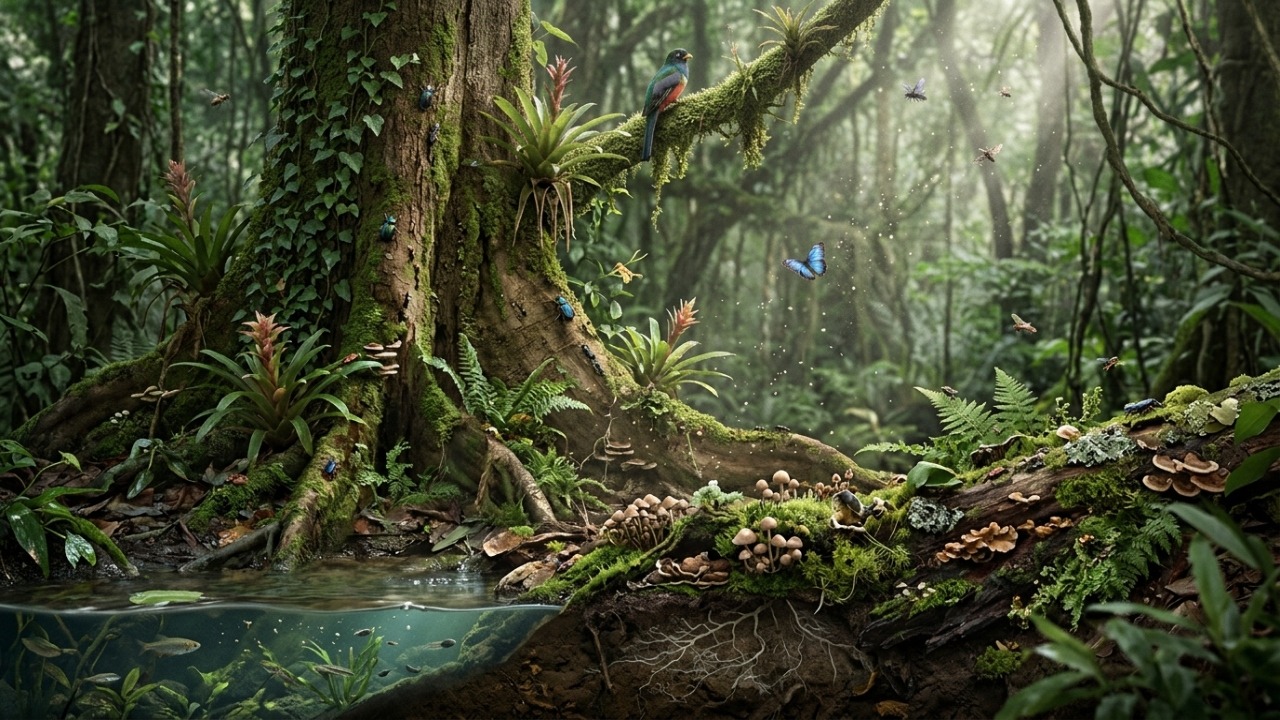
A fascinating journey through the biology of living things, from microscopic cells and DNA to metabolism, reproduction, evolution, and the processes that make life possible.
Introduction: The Extraordinary Science Behind Life
Summary
Life exists in nearly every environment on Earth. It can be found in forests, oceans, deserts, glaciers, hot springs, and even deep underground, where sunlight never reaches. But what actually makes something a living organism? How can a single cell obtain energy, produce substances, store information, and carry out such complex activities?
The science of life, known as biology, explores these questions and reveals an extraordinary world of interconnected processes. All known organisms depend on cellular structures, genetic information, chemical reactions, and regulatory mechanisms that work continuously to keep them functioning.
In this article, we explore how life works, from its most basic chemical components to the systems that allow organisms to grow, reproduce, adapt, and evolve. We will also examine the diversity of living things, organisms capable of surviving in extreme conditions, and some of the major questions that continue to challenge scientists.
Introduction: What Does It Really Mean to Be Alive?
Imagine a tropical rainforest. A towering tree slowly grows toward the light, its roots absorbing water and minerals while thousands of leaves capture energy from the Sun. Nearby, a bird searches for food, a colony of ants builds its shelter, and fungi quietly break down fallen leaves and branches.
Now imagine zooming in until you can see what is happening inside each organism. Millions, billions, or even trillions of cells carry out chemical reactions, transport substances, produce energy, store information, and constantly respond to changes in their surroundings.
The tree, the bird, the ants, and the fungi are very different from one another. Yet they all share fundamental principles that allow us to recognize them as living things.
Life is not a specific substance or a single chemical reaction. It emerges from an extraordinary organization of structures and processes working together.
Inside living organisms, molecules interact, cells perform specialized functions, genetic information helps guide protein production, and different systems maintain the conditions needed for biological activity. At the same time, organisms obtain energy from their surroundings, grow, reproduce, and participate in evolutionary processes that transform biological diversity over generations.
Understanding the science of life means discovering how all these activities are connected.
And that journey begins with a seemingly simple question: what makes something alive?
What Are the Characteristics of Living Things?
The difference between a living organism and a nonliving object may seem obvious when we compare a dog with a rock. A dog breathes, eats, grows, and responds to its surroundings. A rock does not perform these activities.
However, when we look at more complex examples, the distinction becomes less straightforward.
A seed that appears motionless may still be alive, even if it remains dormant for years. A microscopic bacterium, despite having no organs or tissues, can perform all the functions needed to survive. A virus can carry genetic information and produce new copies, but it depends on a host cell to do so.
For this reason, scientists use a combination of characteristics to study and identify living systems.
1.1. The Main Characteristics of Life
Known organisms display different combinations of fundamental properties:
- Cellular organization: They are made up of one or more cells.
- Metabolism: They carry out chemical reactions to obtain and use energy and matter.
- Homeostasis: They regulate their internal conditions.
- Growth and development: They undergo structural and functional changes.
- Reproduction: They have mechanisms that allow them to produce offspring.
- Response to stimuli: They detect and react to changes in their environment.
- Hereditary information: They store and pass on genetic information.
- Capacity for evolution: Populations undergo heritable changes over generations.
None of these characteristics, considered alone, can explain every possible case. What identifies life is the combination of these properties and the way biological processes are organized.
1.2. Organization: Matter Organized to Sustain Life
Living organisms are made up of components that work together.
Atoms form molecules. Molecules contribute to the construction of cellular structures. Cells can form tissues, organs, and systems, which together make up complete organisms.
This organization makes it possible to perform activities that individual components could not accomplish on their own.
A protein molecule, for example, may perform a specific function, but it cannot independently constitute an organism. Its importance comes from the interactions it establishes with other molecules inside a biological system.
1.3. Why Is Defining Life So Difficult?
Nature presents situations that challenge simple classifications.
Viruses are an important example. They contain genetic material, evolve, and can produce new viral particles, but they do not have their own metabolism capable of sustaining independent reproduction. To multiply, they must use the structures and mechanisms of host cells.
Another example involves dormant seeds and the spores of certain organisms. They may have extremely low metabolic activity and remain in a state of reduced activity for extended periods.
These cases show that life cannot be understood simply by looking at appearance, movement, or immediately observable activity.
Scientists must examine the organization and biological processes that characterize each system.
The Chemical Foundations of Life
Before there can be a cell, there are molecules. Before there can be molecules, there are atoms.
Every known form of life is built from chemical elements found in nature. What makes living matter different is the way these elements combine and participate in highly organized systems.
Chemistry is not simply one part of biology. It is the material foundation of every biological process.
2.1. The Elements That Build Living Organisms
Although nature contains many chemical elements, some are especially important to living things.
Carbon, hydrogen, oxygen, and nitrogen are among the main components of organic matter. Phosphorus and sulfur also play essential roles.
These elements help form proteins, carbohydrates, lipids, nucleic acids, and other fundamental substances.
Other elements, including calcium, sodium, potassium, magnesium, iron, and zinc, occur in varying amounts and contribute to activities such as signal transmission, enzyme function, oxygen transport, and structural development.
Iron, for example, is part of hemoglobin, the protein responsible for carrying oxygen in the blood of many animals.
2.2. Why Is Water Essential?
Water makes up a significant portion of many organisms and participates in nearly every major biological process.
Its importance is closely related to the chemical properties of the water molecule, especially its polarity.
Water can dissolve many substances, allowing nutrients, salts, and other molecules to be transported and used by cells.
It also participates directly in chemical reactions, helps regulate temperature, and contributes to the structure of different biological systems.
In humans, for example, water is involved in blood circulation, digestion, waste removal, and temperature regulation.
In plants, it helps transport substances and maintain internal cell pressure, which is important for keeping leaves and stems firm.
Without available liquid water, most known biological processes would not function normally.
2.3. Carbon and Organic Molecules
Carbon has an extraordinary chemical property: it can form stable bonds with many different elements and build complex chains and structures.
This versatility makes it possible to create an enormous variety of organic molecules.
Some of the most important include:
Carbohydrates: They provide energy and also contribute to biological structures. Glucose is a familiar example.
Lipids: This group includes fats, oils, and other molecules important for energy storage and the formation of cell membranes.
Proteins: They perform structural, regulatory, defensive, and catalytic functions. Many enzymes are proteins.
Nucleic acids: DNA and RNA store, transmit, and help use genetic information.
These molecules do not work in isolation. They participate in networks of chemical reactions that sustain the functioning of living organisms.
2.4. Proteins: Essential Tools of Life
Proteins are among the most versatile molecules in living systems.
They are made of amino acid sequences that fold into specific three-dimensional structures.
That shape largely determines what each protein does.
Some proteins form structural components, such as those found in muscles and skin. Others transport substances, participate in immune defense, or allow cells to communicate.
Enzymes deserve special attention. They speed up chemical reactions that might otherwise happen too slowly to support biological activity.
Even a simple cell depends on thousands of coordinated molecular interactions to keep functioning.
The Cell: The Fundamental Unit of Life
If one structure deserves to be considered the starting point for understanding living organisms, it is the cell.
All known forms of cellular life are organized around cells. Some organisms consist of just one cell, while others contain billions or even trillions of cells arranged into different tissues and organs.
Despite their differences in size, shape, and function, cells share fundamental characteristics.
3.1. How Did Cell Theory Develop?
The development of microscopes allowed scientists to observe structures that had previously remained invisible.
In the seventeenth century, Robert Hooke examined tiny compartments in a piece of cork and used the term cell to describe them.
Later, Antonie van Leeuwenhoek observed living microscopic organisms in various samples.
During the nineteenth century, researchers such as Matthias Schleiden, Theodor Schwann, and Rudolf Virchow helped establish cell theory.
In its classical form, the theory is based on three fundamental principles:
- All living organisms are made up of one or more cells.
- The cell is the basic unit of structure and function in living things.
- New cells arise from preexisting cells.
This theory transformed biology and remains one of its most important foundations.
3.2. Prokaryotic and Eukaryotic Cells
Although many different cell types exist, two broad categories help us understand how cells are organized.
Prokaryotic cells
These cells are found in bacteria and archaea. They do not have a membrane-bound nucleus. Instead, their genetic material is located in a region called the nucleoid.
They generally have a simpler internal organization, although they can contain specialized structures and highly sophisticated molecular mechanisms.
Eukaryotic cells
These cells have a membrane-bound nucleus and several internal compartments called organelles.
They are found in animals, plants, fungi, and many microscopic organisms.
This compartmentalization allows different activities to take place in separate areas, helping organize distinct biochemical processes within the same cell.
3.3. The Cell Membrane: The Boundary Between Inside and Outside
Every cell must control what enters and leaves.
This task is performed primarily by the plasma membrane, a structure made of a double layer of lipids and various proteins.
The membrane does not act like a completely sealed wall. It has selective permeability, allowing certain substances to pass through while regulating others.
Water, ions, nutrients, and signaling molecules cross this structure through specific mechanisms.
This control is essential for maintaining suitable internal conditions.
3.4. The Nucleus and the Storage of Genetic Information
In eukaryotic cells, the nucleus contains most of the cell’s DNA.
It serves as an important center for organizing genetic information, but it should not be imagined as a commander that controls every cellular activity on its own.
A cell’s functioning depends on interactions among DNA, RNA, proteins, membranes, organelles, and the surrounding environment.
The nucleus also plays a role in processes related to RNA production and the regulation of gene activity.
3.5. Mitochondria, Ribosomes, and Other Organelles
Eukaryotic cells contain specialized structures that perform different activities.
Mitochondria: They participate in essential stages of cellular respiration and ATP production.
Ribosomes: They build proteins using information carried by messenger RNA.
Endoplasmic reticulum: It contributes to the production and processing of proteins and lipids.
Golgi apparatus: It modifies, organizes, and directs various substances produced by the cell.
Lysosomes: They help digest and recycle cellular components, especially in animal cells.
Chloroplasts: Found in plants and algae, they carry out photosynthesis.
Each organelle has its own functions, but they all work together to keep the cell operating.
3.6. How Are Plant and Animal Cells Different?
Plant and animal cells are both eukaryotic, so they share many structures.
However, plant cells have several distinctive features.
Their cell wall, made primarily of cellulose, provides support and protection. Chloroplasts allow photosynthesis to take place in appropriate tissues. A large central vacuole can store substances and help maintain internal pressure.
Animal cells do not have cell walls or chloroplasts.
These differences reflect the distinct ways plant and animal organisms are organized and function.
How Cells Work and Communicate
A cell is not a passive container filled with substances. It is an extremely dynamic environment where thousands of reactions and interactions take place continuously.
Molecules are produced, transformed, transported, and broken down. Structures are renewed, signals are received, and responses are organized.
Cellular function depends on this constant activity.
4.1. The Transport of Substances
Cells need to take in nutrients, water, and other materials while also removing waste products.
This transport occurs through several different mechanisms.
During diffusion, certain substances move from areas of higher concentration to areas of lower concentration.
During osmosis, water moves across a selectively permeable membrane in response to differences in solute concentration.
In active transport, membrane proteins use energy to move substances against their concentration gradients.
These mechanisms allow cells to regulate their internal composition.
4.2. Communication Between Cells
Cells do not function as completely independent units.
In multicellular organisms, they must exchange information to coordinate their activities.
This communication can occur through direct contact, signaling molecules, or specialized mechanisms.
In animals, hormones and neurotransmitters participate in different forms of communication.
In plants, signaling molecules help coordinate growth, environmental responses, and development.
Cell communication allows different parts of an organism to work together.
4.3. Cell Division and Renewal
Cell division allows organisms to produce new cells.
In unicellular organisms, it can directly serve as a form of reproduction.
In multicellular organisms, it supports growth, development, repair, and the replacement of cells that have aged or become damaged.
Mitosis is the process through which a eukaryotic cell normally produces two daughter cells with chromosome sets similar to those of the original cell.
Meiosis, in turn, contributes to the formation of reproductive cells in many organisms and reduces the chromosome number by half.
These processes are essential to the continuity and organization of life.
DNA, Genes, and the Genetic Code
How can an organism pass its characteristics from one generation to the next?
Why does a plant develop leaves and roots, while an animal develops muscles, organs, and nervous systems?
An essential part of the answer lies in DNA.
Deoxyribonucleic acid is a molecule that stores hereditary information and helps guide many of the processes needed to build and maintain living organisms.
5.1. What Is DNA?
DNA consists of two strands of nucleotides arranged in a structure known as a double helix.
Each nucleotide contains a sugar, a phosphate group, and a nitrogenous base.
There are four main bases in DNA: adenine, thymine, cytosine, and guanine.
The sequence of these bases carries genetic information.
DNA can be compared to an information storage system, but the comparison has limits. Biological function is not simply the mechanical execution of instructions.
Gene activity depends on complex regulatory mechanisms and interactions within the cellular environment.
5.2. Genes and Chromosomes
A gene is a region of DNA associated with the production of a functional RNA molecule or, in many cases, a protein.
Genes are organized into chromosomes, structures made of DNA associated with proteins.
The number of chromosomes varies among species.
Humans, for example, normally have 46 chromosomes arranged in 23 pairs in their somatic cells.
Chromosome organization helps preserve, organize, and transmit genetic information.
5.3. How Is Genetic Information Used?
The use of genetic information involves several different stages.
During transcription, a DNA sequence serves as a template for producing RNA.
When that information codes for a protein, messenger RNA can be used by ribosomes during translation.
In this process, amino acids are arranged into a sequence that will form a protein.
The newly produced protein may undergo further modifications and acquire a functional three-dimensional structure.
This is how information stored in DNA contributes to the construction and maintenance of biological systems.
5.4. Why Do Different Cells Have Different Functions?
One of the most fascinating features of multicellular organisms is cell specialization.
A muscle cell, a nerve cell, and a skin cell may contain almost the same set of genetic information, yet they perform very different functions.
This happens because genes are not used in the same way in every cell.
Certain genes remain active, while others are reduced or switched off, depending on the cell type and the organism’s conditions.
This regulation of gene expression allows cells with similar hereditary information to develop specialized characteristics.
5.5. Mutations and Genetic Variation
DNA is not completely unchangeable.
Changes in genetic sequences can occur during replication or as a result of certain environmental factors.
These changes are called mutations.
If they occur in cells that contribute to the formation of offspring, some mutations can be passed on to future generations.
Mutations may have no noticeable effects, produce harmful consequences, or, under certain circumstances, contribute to advantageous traits.
They are one of the fundamental sources of genetic variation on which evolution acts.
How Living Organisms Obtain and Use Energy
No organism can keep functioning without energy.
Even a microscopic bacterium needs energy to transport substances, produce molecules, maintain structures, and carry out its activities.
The source of that energy varies depending on the organism and its environment.
Some living things use sunlight. Others obtain energy from chemical substances in their surroundings or from the food they consume.
6.1. Autotrophs and Heterotrophs
Organisms can be classified according to how they obtain organic matter and energy.
Autotrophs: They produce organic compounds from inorganic substances using an energy source. Plants, algae, and certain bacteria are examples.
Heterotrophs: They obtain organic matter by consuming other organisms or their products. Animals and fungi are examples.
This distinction helps us understand how matter and energy move through ecosystems.
6.2. Photosynthesis: Turning Light into Chemical Energy
Photosynthesis is one of the most important biological processes on the planet.
It allows plants, algae, and certain microorganisms to use light energy to produce organic matter.
In plants, the process takes place mainly in chloroplasts.
Chlorophyll and other pigments absorb light, providing energy for reactions involved in producing molecules used in the synthesis of sugars.
During oxygenic photosynthesis, water participates in the reactions and oxygen is released.
A simplified representation of the process is:
Carbon dioxide + water + light energy → organic compounds + oxygen.
Photosynthesis is important not only for plants. It supports much of the world’s food webs and contributes significantly to maintaining atmospheric oxygen.
6.3. Cellular Respiration: Obtaining Usable Energy
The energy stored in organic molecules must be transformed into forms that cells can use.
This process includes cellular respiration.
During aerobic respiration, glucose and other organic molecules are broken down through a series of reactions that transfer energy to the production of ATP.
In eukaryotic cells, essential stages of this process take place in the mitochondria.
Aerobic respiration uses oxygen as the final electron acceptor and produces carbon dioxide and water as end products.
It is important to remember that plants also carry out cellular respiration. They do not rely exclusively on photosynthesis for their activities.
6.4. ATP: The Energy Currency of Cells
ATP, or adenosine triphosphate, is an essential molecule involved in transferring energy within cells.
It participates in processes such as active transport, muscle contraction, molecule synthesis, and the maintenance of cellular structures.
When ATP is converted into ADP and inorganic phosphate, free energy is released and can be used in different activities.
ATP acts as an energy intermediary.
It is not a permanent energy reserve. Cells produce and consume ATP continuously.
6.5. Chemosynthesis: Life Without Direct Dependence on Sunlight
Not every ecosystem depends on light energy.
In certain environments, microorganisms can produce organic matter using energy released by chemical reactions involving inorganic substances.
This process is known as chemosynthesis.
It occurs, for example, in microbial communities associated with hydrothermal vents on the ocean floor.
These environments demonstrate that life can use different energy sources and does not necessarily depend on sunlight to sustain ecosystems.
Metabolism: The Chemistry That Keeps Life Running
Life depends on continuous chemical activity.
Inside cells, substances are produced, modified, used, and broken down.
The entire collection of these reactions is known as metabolism.
Without metabolism, organisms would be unable to obtain energy, build structures, repair components, or maintain their functions.
7.1. What Is Metabolism?
Metabolism includes all the chemical reactions that take place in an organism.
These reactions allow nutrients to be converted into usable energy, cellular components to be produced, and substances that are no longer needed to be eliminated.
Metabolism is not a single isolated process. It involves thousands of reactions organized into different metabolic pathways.
A change in one reaction can affect other related activities, demonstrating how interconnected biological processes are.
7.2. Anabolism: Building Structures
Anabolism includes reactions that build complex molecules from smaller components.
The production of proteins from amino acids is one example.
The synthesis of molecules used to form cell membranes is another.
In general, anabolic reactions require energy because they involve building more complex chemical structures.
7.3. Catabolism: Breaking Down Molecules and Releasing Energy
Catabolism involves reactions that break complex molecules into smaller components.
The breakdown of glucose during cellular respiration is an important example.
These reactions can release energy, which is captured and used in cellular processes.
Anabolism and catabolism do not compete with each other. They complement one another, allowing organisms to maintain their structures while carrying out their functions.
7.4. Enzymes: Speeding Up Chemical Reactions
Many reactions essential to life would be far too slow under the normal temperature and pressure conditions found in living organisms.
Enzymes solve this problem.
They are biological catalysts that increase reaction rates by lowering the activation energy required for reactions to occur.
Each enzyme has characteristics that determine which reactions it can speed up.
Enzyme activity depends on factors such as temperature, pH, substrate concentration, and the presence of certain regulatory substances.
This ability to speed up and control chemical reactions is essential to maintaining metabolism.
From Cells to Complete Organisms
A bacterium can perform its essential functions within a single cell.
A human being, however, depends on the integration of trillions of specialized cells.
This difference shows how the evolution of multicellularity made possible the emergence of much more complex forms of biological organization.
8.1. How Do Cells Become Specialized?
In multicellular organisms, cells can develop different shapes and functions.
Some specialize in contraction. Others transmit electrical signals, store substances, transport materials, or protect surfaces.
This specialization occurs through processes of cell differentiation, regulated by genetic information and environmental signals.
The division of labor allows different cells to perform specific activities with great efficiency.
8.2. Tissues: Groups of Cells Working Together
A tissue is made up of organized cells that perform related functions.
In animals, there are four major categories of tissue:
- Epithelial tissue: Covers surfaces and helps with protection and absorption.
- Connective tissue: Supports, connects, and protects different structures.
- Muscle tissue: Produces movement through contraction.
- Nervous tissue: Receives, processes, and transmits information.
In plants, specialized tissues contribute to protection, support, the transport of substances, and growth.
8.3. Organs and Organ Systems
Different tissues can combine to form organs.
The heart, for example, contains muscle, nervous, connective, and epithelial tissues that work together to pump blood.
Organs, in turn, can become part of systems responsible for broader functions.
In the human body, the digestive system processes food, the respiratory system supports gas exchange, and the circulatory system transports substances.
Other animals have different forms of organization, but they also possess integrated structures that carry out essential functions.
8.4. Cooperation Between Biological Systems
No system functions entirely on its own.
During physical activity, for example, muscles need energy and oxygen. The respiratory system helps obtain oxygen, while the circulatory system distributes it and transports nutrients.
At the same time, nervous and hormonal mechanisms adjust different functions to meet the organism’s needs.
The integration of biological systems is one of the most important characteristics of multicellular life.
Homeostasis: How Organisms Maintain Internal Balance
The environment is constantly changing.
Temperatures rise and fall, water availability varies, and the amount of nutrients in the surroundings can change.
Despite these fluctuations, many organisms can keep their internal conditions within ranges that support normal biological function.
This ability is known as homeostasis.
9.1. What Is Homeostasis?
Homeostasis is the ability to regulate certain internal conditions in response to external and internal changes.
It does not mean remaining completely unchanged or maintaining absolutely constant values.
In reality, many biological variables fluctuate within relatively narrow ranges.
Body temperature, blood glucose concentration, and water and electrolyte balance are examples of conditions regulated in different organisms.
9.2. Temperature Regulation
Animals use different strategies to regulate body temperature.
Many mammals and birds can maintain relatively stable body temperatures through physiological mechanisms.
When the human body becomes too warm, for example, sweating increases and blood flow to the skin changes, helping release heat.
When body temperature drops, mechanisms such as involuntary muscle contractions can help generate heat.
Other animals depend more directly on external conditions to regulate their body temperature. They may use behaviors such as seeking shade or basking in the Sun.
9.3. Water and Salt Balance
The amount of water and ions inside an organism must be carefully regulated.
In humans, the kidneys play a central role in this process.
They filter the blood, regulate the removal of water and salts, and help maintain the body’s chemical balance.
In plants, water absorption through the roots and the regulation of stomata help control gas exchange and water loss.
9.4. Feedback Mechanisms
Biological regulation often relies on feedback mechanisms.
In negative feedback, a change triggers responses that tend to reduce the original deviation.
Body temperature regulation is one example.
In positive feedback, the response intensifies the initial process until a particular event is completed.
Human labor provides a familiar example. Certain contractions promote the release of signals that trigger even stronger contractions.
These mechanisms help organisms regulate complex processes.
Growth, Development, and the Life Cycle
Organisms do not remain the same throughout their lives.
They undergo changes that involve increases in size, cell differentiation, structural transformations, and the development of new abilities.
These changes are part of biological growth and development.
10.1. How Do Living Things Grow?
In multicellular organisms, growth can occur through an increase in cell number, an increase in cell size, or a combination of both.
In plants, specialized regions called meristems produce new cells and allow roots, stems, and other structures to grow.
In animals, growth occurs through regulated processes of cell division, component synthesis, and tissue development.
10.2. Development and Differentiation
Development involves the changes that allow an organism to acquire its structure and functions.
During animal embryonic development, cells that are initially less specialized undergo differentiation.
These cells develop into tissues and organs with distinct characteristics.
Plant development also involves differentiation and the organization of structures such as leaves, roots, flowers, and fruits.
10.3. Life Cycles
Each species has a characteristic life cycle.
A butterfly, for example, passes through several stages: egg, larva, pupa, and adult.
A flowering plant may begin its life cycle as a seed, develop roots and leaves, produce flowers, and form new seeds.
In many microorganisms, the life cycle is much simpler and may involve successive rounds of cell division.
These cycles show how life is organized into different stages.
10.4. Aging and Cellular Renewal
Aging involves gradual changes that affect cells, tissues, and biological systems.
Associated processes include changes in DNA maintenance, alterations in mitochondrial function, the accumulation of molecular damage, and changes in the ability of tissues to renew themselves.
Aging does not occur in the same way across all species.
Some organisms have cellular maintenance strategies that differ considerably from those observed in humans, making this an important area of scientific research.
Reproduction: How Life Continues
Reproduction allows organisms to produce offspring and pass on hereditary information.
It is essential to the continuity of populations and species across generations.
Different reproductive mechanisms exist, and the diversity of these strategies shows how life can continue in a wide range of environments.
11.1. Asexual Reproduction
In asexual reproduction, an organism produces offspring without the fusion of gametes.
This process is common in bacteria and also occurs in fungi, plants, and some animals.
Binary fission in bacteria is one example.
During this process, genetic material is replicated and the cell divides to produce two daughter cells.
Asexual reproduction can allow organisms to multiply rapidly, although offspring are not necessarily genetically identical in every case because mutations can occur.
11.2. Sexual Reproduction
In sexual reproduction, genetic material from gametes is combined.
In many animals, this involves the union of a male and a female gamete during fertilization.
In flowering plants, sexual reproduction involves gamete formation, pollination, fertilization, and seed development.
Sexual reproduction creates new genetic combinations and contributes to hereditary diversity within populations.
11.3. Heredity
Heredity is the transmission of biological characteristics from one generation to the next.
Offspring receive genetic information from their parents, but they are not exact copies of them.
The combination of genetic variants, mutations, and different reproductive processes contributes to differences among individuals.
This diversity is essential to the evolution of populations.
11.4. Why Are Offspring Different?
Even within the same species, organisms display variation.
During sexual reproduction, genetic recombination and the distribution of chromosomes during gamete formation help create different genetic combinations.
These differences can influence characteristics such as size, appearance, metabolism, and resistance to certain environmental conditions.
Genetic diversity is one of the major sources of a population’s capacity to adapt.
How Organisms Respond to Their Environment
No organism exists completely separate from its environment.
All living things need to detect changes, recognize favorable or unfavorable conditions, and adjust their functioning in some way.
These responses can be simple or extremely complex.
12.1. Detecting Changes
Cells have mechanisms that allow them to detect physical and chemical changes.
Temperature, light, nutrient concentration, the presence of certain substances, and signals produced by other organisms can trigger biological responses.
In animals, specialized sensory organs allow them to perceive information from their surroundings.
In microorganisms, molecular receptors can detect chemicals and guide movement or changes in metabolic activity.
12.2. How Do Plants Respond to Their Environment?
Although plants do not have nervous systems like animals, they have sophisticated mechanisms for sensing and responding to their surroundings.
Growth toward a light source is called phototropism.
Roots can also respond to gravity and to conditions related to the availability of water and nutrients.
These responses involve plant hormones and mechanisms of cellular regulation.
Plants can also change their activities in response to shifts in temperature, water availability, and attacks by herbivores.
12.3. Animal Behavior
Animals display an enormous variety of behaviors.
Some are relatively simple, such as movements toward a food source. Others involve learning, memory, communication, and social interaction.
Behavior can help animals find food, avoid predators, choose reproductive partners, and protect their offspring.
In many species, behavioral responses and physiological mechanisms work together.
12.4. Adaptation and Survival
Organisms have characteristics that can improve their survival and reproductive success in particular environments.
Thick fur in animals from cold regions, the ability of certain plants to store water, and camouflage strategies are examples of traits related to adaptation.
It is important to distinguish evolutionary adaptation from a simple individual response.
An animal may seek shade when temperatures rise. That is a behavioral response.
Over generations, a population may develop a higher frequency of inherited traits that improve heat tolerance. That is an evolutionary change.
Evolution: How Life Changes Over Generations
The diversity of life did not arise independently in every species.
Scientific evidence indicates that organisms share ancestral relationships and that biological diversity has been transformed over billions of years.
This process is studied through the theory of evolution.
13.1. What Is Biological Evolution?
Biological evolution is the change in the inherited characteristics of populations over generations.
These changes may involve shifts in the frequency of genetic variants and the emergence of new characteristics.
Evolution does not happen because organisms consciously need to transform themselves.
It results from natural processes acting on inherited variation within populations.
13.2. Natural Selection
Natural selection is one of the fundamental mechanisms of evolution.
Individuals within a population have inherited differences.
When certain traits improve survival or reproductive success in a particular environment, individuals carrying those traits may leave more offspring.
Over generations, those traits can become more common.
A classic example is antibiotic resistance in certain bacteria.
When an antibiotic kills susceptible bacteria, resistant variants may survive and reproduce, making resistance more common in the population.
The antibiotic does not teach bacteria to develop resistance. It selects for variants that already have characteristics that improve their chances of survival, although new mutations may also arise.
13.3. Common Ancestry
One of the most important ideas in evolutionary biology is that different organisms share common ancestors.
These relationships can be investigated through fossils, comparative anatomy, embryonic development, and molecular analysis.
Comparing DNA and protein sequences allows scientists to identify evolutionary relationships among species.
The broader the set of shared inherited similarities, the more information scientists can use to investigate relationships among organisms.
13.4. Mutations and Genetic Diversity
Mutations introduce changes into genetic material.
In addition to mutations, genetic recombination and gene flow between populations also contribute to diversity.
Natural selection, genetic drift, and other processes can change the genetic composition of populations.
Evolution results from the interaction of these mechanisms over time.
13.5. Evolution Has No Predetermined Destination
A common misconception is that evolution works like a ladder, with organisms constantly advancing toward higher or more advanced forms.
That is not how the process works.
Evolution has no final goal, and no living species represents the inevitable destination of all others.
Each population faces specific environmental conditions and may follow a different evolutionary path.
Humans are one of the many forms of life on Earth, not the final stage of a universal journey.
The Diversity of Living Organisms
Life on Earth displays extraordinary diversity.
There are microscopic organisms made up of a single cell, plants that grow dozens of meters tall, animals capable of traveling great distances during migration, and fungi that form extensive underground networks.
To understand this diversity, scientists organize organisms into groups based on their characteristics and evolutionary relationships.
14.1. The Three Domains of Life
A widely used classification recognizes three major domains:
Bacteria: This domain includes bacteria, an extremely diverse group of prokaryotic organisms.
Archaea: This domain includes archaea, which are also prokaryotic but have their own molecular and biochemical characteristics.
Eukarya: This domain includes organisms whose cells have a nucleus, such as animals, plants, fungi, and many microscopic organisms.
This classification shows that organisms that may appear simple can belong to very different evolutionary lineages.
14.2. Bacteria: Small but Essential
Bacteria are single-celled prokaryotic organisms found in virtually every known environment.
They can live in soil, water, air, on surfaces, and inside other organisms.
Many perform essential functions in ecosystems.
They contribute to decomposition, nutrient transformation, associations with plants, and the maintenance of microbial communities.
Some bacteria can cause disease, but most bacterial species do not pose a direct threat to humans.
14.3. Archaea: A Distinct Lineage of Life
Archaea are prokaryotic organisms with important molecular differences from bacteria.
For a long time, they were associated mainly with extreme environments, such as hot springs and highly saline regions.
Today, we know that they also live in oceans, soils, and inside other organisms.
Some archaea participate in important processes within the carbon and nitrogen cycles.
Their discovery and classification greatly expanded our understanding of life’s diversity.
14.4. Protists and Other Microscopic Eukaryotes
The term protists has traditionally been used to group various eukaryotic organisms that are not classified as animals, plants, or fungi.
However, it does not represent a single natural evolutionary group.
These organisms include both unicellular forms and relatively simple multicellular forms, with a wide range of lifestyles.
Microscopic algae, amoebas, and certain parasitic organisms are familiar examples.
Some contribute to the production of organic matter in the oceans, while others are part of food webs or establish parasitic relationships.
14.5. Fungi: Decomposers and Partners in Nature
Fungi are a group of eukaryotic organisms that includes yeasts, molds, and mushrooms.
Unlike plants, they do not carry out photosynthesis.
Instead, they obtain nutrients by absorbing organic substances from their surroundings.
Many fungi are important decomposers, helping recycle nutrients within ecosystems.
Others form cooperative relationships with plants, as happens in mycorrhizae, associations between fungi and plant roots.
Fungi are also used in food production, medicine, and industrial processes.
14.6. Plants: Organisms That Transform Light Energy
Plants are multicellular eukaryotic organisms that, for the most part, carry out photosynthesis.
They perform essential functions in ecosystems by producing organic matter, storing carbon, and creating habitats.
Roots, stems, leaves, flowers, and fruits have different functions and levels of specialization.
Plant diversity includes mosses, ferns, conifers, and flowering plants.
Each group has its own characteristics related to reproduction, growth, and adaptation.
14.7. Animals: A Diversity of Structures and Behaviors
Animals are multicellular, heterotrophic eukaryotic organisms.
They display an enormous variety of shapes, sizes, feeding strategies, and behaviors.
There are invertebrates, such as insects, mollusks, and jellyfish, as well as vertebrates, including fish, amphibians, reptiles, birds, and mammals.
This diversity shows how evolution has produced different biological solutions to challenges involving feeding, reproduction, movement, and survival.
How Living Things Depend on One Another
No ecosystem functions as a collection of completely independent organisms.
Species interact with one another and with their physical surroundings, forming complex networks of relationships.
A change in one population can produce effects throughout other parts of an ecosystem.
15.1. Producers, Consumers, and Decomposers
Organisms play different roles in the functioning of ecosystems.
Producers: They create organic matter from inorganic substances using light energy or chemical energy.
Consumers: They obtain matter and energy by feeding on other organisms or their products.
Decomposers: They break down organic matter and help return nutrients to the environment.
These roles are fundamental to the organization of biological communities.
15.2. Food Chains and Food Webs
A food chain represents a simplified sequence through which matter and energy are transferred between organisms.
A plant may be eaten by an herbivore, which may later become food for a predator.
In nature, however, feeding relationships are much more complex.
A single organism may consume several species and may also serve as food for multiple predators.
For this reason, ecologists use the concept of a food web to represent these connections.
15.3. Energy Flow in Ecosystems
Energy enters many ecosystems primarily through sunlight, which is captured by photosynthetic organisms.
Some of this energy is stored in organic molecules and transferred between trophic levels.
During each transfer, a significant portion is dissipated as heat through metabolic processes.
As a result, the amount of available energy tends to decrease along food chains.
Unlike energy, matter is continuously transformed and recycled.
15.4. The Nutrient Cycles
Chemical elements essential to life circulate among organisms, soil, water, and the atmosphere.
Carbon participates in processes such as photosynthesis, respiration, and decomposition.
Nitrogen is transformed by different microorganisms and incorporated into biological molecules.
Phosphorus moves through rocks, soils, water, and living organisms.
These cycles help maintain the availability of elements needed for the functioning of ecosystems.
15.5. The Interdependence of Life
Relationships between organisms can involve cooperation, competition, predation, parasitism, and other interactions.
Bees, for example, contribute to the pollination of many plants.
Mycorrhizal fungi can help plant roots absorb nutrients.
Gut microorganisms participate in processes related to digestion and the health of different animals.
These relationships show that life is not simply a collection of individual organisms. It is a network of interactions connecting different forms of existence.
Life in Extreme Conditions
For a long time, scientists believed that life depended on conditions relatively similar to those found at Earth’s surface.
However, the discovery of organisms capable of surviving in extreme environments greatly expanded that understanding.
Some microorganisms can live in very high temperatures, extremely cold regions, highly acidic environments, or places with unusually high salt concentrations.
These organisms are known as extremophiles.
16.1. Organisms That Live at Extreme Temperatures
Some microorganisms can survive and grow at temperatures that would be fatal to most forms of life.
Thermophiles live in hot environments, while hyperthermophiles have optimal growth temperatures that are even higher.
Many of these organisms are found in hot springs, hydrothermal systems, and other environments with intense heat.
Their survival depends on biological adaptations that help protect cellular structures and maintain the function of essential molecules.
16.2. Life in Extremely Cold Environments
Other organisms are adapted to environments with very low temperatures.
They can be found in polar regions, glaciers, permanently frozen soils, and deep ocean waters.
Some microorganisms have cellular mechanisms that help protect their membranes and proteins from the effects of cold.
These discoveries show that low temperatures do not automatically make an environment uninhabitable.
16.3. Life in Highly Saline and Acidic Environments
Certain organisms can survive in environments with extremely high salt concentrations.
Others tolerate levels of acidity or alkalinity that would damage the cells of most organisms.
These adaptations involve mechanisms that help regulate water balance, stabilize proteins, and maintain suitable internal conditions.
Studying these organisms helps scientists understand the limits of life and the diversity of biological strategies.
16.4. Why Are Extremophiles Important?
Extremophiles are important not only because of their ability to survive in unusual environments.
They also help researchers investigate the limits of life on Earth and the possibility of life elsewhere in the universe.
By studying organisms that tolerate extreme conditions, scientists can better identify which environmental factors are truly essential for biological activity.
These discoveries also have practical applications in biotechnology, medicine, and industrial processes.
The Big Questions That Still Surround Life
Despite major advances in biology, many questions about life remain unanswered.
Scientists understand numerous mechanisms involved in cellular activity, metabolism, heredity, and evolution. However, some of the most fundamental questions continue to inspire research.
17.1. Are Viruses Alive?
Viruses occupy an unusual position in biology.
They contain genetic material and can evolve through natural selection.
However, they do not have cellular organization or an independent metabolism. To reproduce, they must use the structures and mechanisms of host cells.
For these reasons, many scientists describe them as acellular biological entities that exist at the boundaries of conventional definitions of life.
The debate is not merely about terminology. It helps scientists examine which characteristics are essential for defining a living system.
17.2. How Did Life Begin on Earth?
The origin of life is one of the major scientific problems still being investigated.
Earth formed approximately 4.54 billion years ago, and evidence indicates that life was already present at least about 3.5 billion years ago.
However, there is still no definitive explanation, universally accepted in every detail, for all the steps that led to the emergence of the first living systems.
One major area of research focuses on prebiotic chemical evolution: the processes through which simple molecules may have given rise to more complex organic compounds and systems capable of storing information and carrying out chemical reactions.
Laboratory experiments, geological studies, and chemical models help scientists investigate these possibilities.
17.3. Is There Life Beyond Earth?
The possibility of extraterrestrial life is one of the most fascinating questions in modern science.
Scientists are investigating environments in the Solar System that may have conditions suitable for microscopic life.
Mars is one of the main targets of research, especially because of evidence that liquid water existed there in the past.
Jupiter’s moon Europa and Saturn’s moon Enceladus are also of great interest because of evidence suggesting that they have underground oceans.
Beyond the Solar System, the discovery of thousands of exoplanets has greatly expanded the possibilities for investigation.
However, so far, there is no scientifically confirmed evidence of life beyond Earth.
17.4. What Do We Still Not Understand?
Biology continues to advance across many different fields.
Researchers are investigating how molecular networks control cells, how organisms age, how microbial communities influence ecosystems, and how new forms of life might be detected in other environments.
Artificial intelligence, synthetic biology, genetics, and sequencing technologies are expanding the tools available for studying living systems.
The more science discovers, the more clearly we see the complexity of life.
Conclusion: Understanding the Science of Life Means Understanding the World
Life is one of the most complex and fascinating phenomena known to science.
From a microscopic bacterium to a towering tree or an animal with highly specialized systems, all organisms depend on an extraordinary organization of structures, information, and chemical processes.
Molecules form cells. Cells carry out metabolic reactions, use genetic information, and communicate. In multicellular organisms, cells organize into tissues, organs, and systems that work together to keep the whole organism functioning.
Energy sustains these activities, while regulatory mechanisms help organisms respond to changes in their surroundings. Reproduction allows populations to continue, and evolution explains how the diversity of life has changed over billions of years.
We have also discovered that organisms do not exist in isolation. They participate in ecological networks through which matter and energy continually move, connecting different forms of life.
Perhaps the greatest lesson of biology is that life does not depend on a single structure or an isolated process. It emerges from the interaction of countless activities that must work together in a coordinated way.
Understanding these connections helps us better understand living things, the natural world, and even our own place on this planet.
The science of life continues to advance, revealing details that once seemed impossible to observe. Every new discovery expands our understanding of a phenomenon that, despite being present all around us, still holds some of science’s greatest mysteries.
What The Scientific Evidence Allows Us To Conclude
Modern biology provides strong evidence that living organisms share fundamental principles of organization and function.
Research in cell biology, genetics, biochemistry, physiology, and evolution supports several important conclusions:
- Cellular organization is a central feature of known life. All cellular organisms depend on cells to carry out their biological functions.
- Life depends on the continuous transformation of matter and energy. Metabolism allows organisms to build structures, perform activities, and maintain their organization.
- DNA plays a fundamental role in heredity. However, biological function also depends on gene regulation, proteins, and interactions with the environment.
- Homeostasis helps maintain internal conditions compatible with biological activity. Organisms use different mechanisms to regulate temperature, water, chemical substances, and other variables.
- Reproduction and heredity allow populations to continue across generations. Genetic variation provides part of the raw material for evolutionary processes.
- Evolution explains biological diversity and ancestral relationships among organisms. Natural selection, mutations, genetic drift, and gene flow all contribute to evolutionary change.
- Life depends on complex ecological relationships. Organisms interact with one another and with their surroundings, participating in the circulation of matter and the flow of energy through ecosystems.
- The definition of life still involves unresolved questions. Viruses, the origin of the first living systems, and the possibility of extraterrestrial life remain important subjects of investigation.
Scientific evidence allows us to understand many of the mechanisms that sustain life in considerable depth. However, it does not yet provide definitive answers to every question about life’s origin and boundaries.
FAQ — Frequently Asked Questions About The Science Of Life
1. What is considered a living thing?
A living thing is a biological system that has cellular organization and carries out processes such as metabolism, internal regulation, growth, reproduction, and responses to its environment. The capacity for evolution is also a fundamental characteristic of living populations.
2. What are the main characteristics of living organisms?
The main characteristics include cellular organization, metabolism, homeostasis, growth, development, reproduction, responses to stimuli, hereditary information, and the capacity for evolution.
3. What is the basic unit of life?
The cell is considered the fundamental unit of structure and function in living organisms. Some organisms consist of a single cell, while others are made up of billions or trillions of specialized cells.
4. What does DNA do in living organisms?
DNA stores hereditary information that contributes to the formation, functioning, and reproduction of organisms. Its genetic sequences guide the production of RNA and, in many cases, proteins.
5. How do living organisms obtain energy?
They use different strategies. Plants, algae, and certain microorganisms capture light energy through photosynthesis. Other organisms obtain energy by consuming organic matter. Some microorganisms use energy from chemical reactions involving inorganic substances.
6. Do all cells have a nucleus?
No. Eukaryotic cells have a membrane-bound nucleus. Prokaryotic cells, found in bacteria and archaea, do not have a true nucleus. Their genetic material is located in a region of the cell.
7. Why do plants need cellular respiration?
Because photosynthesis and cellular respiration are different processes. Photosynthesis allows plants to produce organic matter using light energy, while cellular respiration transforms the chemical energy stored in those molecules into forms that cells can use.
8. What is homeostasis?
Homeostasis is the ability to regulate an organism’s internal conditions within ranges compatible with normal function. Body temperature, blood glucose concentration, and water balance are examples.
9. Are viruses living things?
The classification of viruses remains controversial. They contain genetic material and evolve, but they do not have cellular organization or an independent metabolism. Because they depend on host cells to reproduce, many scientists do not classify them as living organisms in the conventional sense.
10. How does evolution happen?
Evolution occurs when the inherited characteristics of populations change over generations. Mutations, natural selection, genetic drift, and gene flow are among the processes involved.
11. Do all organisms need sunlight?
No. Many organisms depend directly or indirectly on solar energy, but certain microorganisms use energy from chemical reactions. They can support biological communities in environments without sunlight, including some deep-sea regions.
12. Is there life beyond Earth?
So far, there is no confirmed scientific evidence of extraterrestrial life. However, Mars and several moons of Jupiter and Saturn are being investigated because they have characteristics that may have supported, or may still support, habitable conditions.
Glossary — Essential Biology Terms
Adaptation: An inherited characteristic that improves an organism’s performance in a particular environment.
Nucleic acid: A molecule involved in storing or using genetic information, such as DNA and RNA.
ATP: A molecule involved in transferring energy used in cellular activities.
Autotroph: An organism capable of producing organic matter from inorganic substances using an energy source.
Bacterium: A single-celled prokaryotic organism belonging to the domain Bacteria.
Cell: The fundamental unit of structure and function in living organisms.
Catabolism: A set of metabolic reactions that break complex molecules into smaller components.
Chloroplast: An organelle found in plants and algae that carries out photosynthesis.
Chromosome: A structure made of DNA associated with proteins that organizes genetic material.
DNA: Deoxyribonucleic acid, the molecule that stores hereditary information.
Ecosystem: A community of organisms and the nonliving components of an environment, considered together with their interactions.
Enzyme: A biological catalyst that speeds up chemical reactions.
Eukaryote: An organism whose cells have a membrane-bound nucleus.
Biological evolution: Change in the inherited characteristics of populations over generations.
Photosynthesis: A process through which certain organisms use light energy to produce organic matter.
Gene: A region of genetic material associated with the production of a functional RNA molecule or gene product.
Homeostasis: The ability to regulate internal conditions in response to environmental and physiological changes.
Heterotroph: An organism that obtains organic matter from other organisms or their products.
Metabolism: The complete set of chemical reactions that take place in living organisms.
Mitochondrion: An organelle that participates in important stages of cellular respiration.
Mutation: A change in the sequence of genetic material.
Organelle: A specialized structure found inside certain cells.
Organism: An individual biological system, either unicellular or multicellular.
Prokaryote: An organism whose cells do not have a membrane-bound nucleus.
Protein: A molecule made of amino acids that performs structural, regulatory, catalytic, and other functions.
Asexual reproduction: A reproductive process that does not involve the fusion of gametes.
Sexual reproduction: A reproductive process involving the combination of genetic material through gametes or equivalent mechanisms.
Cellular respiration: A set of metabolic processes that transfers energy from organic molecules into forms that cells can use.
RNA: Ribonucleic acid, a molecule involved in several processes related to gene expression and regulation.
Natural selection: A process through which inherited differences influence the reproductive success of individuals in a particular environment.
Tissue: An organized group of cells that perform related functions.
References
- NASA. Astrobiology. Educational and scientific resources on the characteristics of life, its origins, and the possibility of life beyond Earth.
- OpenStax. Biology 2e. Rice University. A biology textbook covering the foundations of life, biological chemistry, cells, metabolism, genetics, evolution, and ecology.
- National Human Genome Research Institute. DNA Fact Sheets and Educational Resources. Reference materials on DNA, genes, chromosomes, and human genetics.
- National Center for Biotechnology Information. PubMed and Bookshelf. Scientific literature and academic resources on cell biology, genetics, biochemistry, and physiology.
- Nature. Scientific publications covering molecular biology, evolution, genetics, and organismal diversity.
- The Royal Society. Scientific publications and educational resources on evolution, biological sciences, and natural processes.
- Khan Academy. Biology. Educational materials on cells, metabolism, genetics, evolution, and biological systems.
- Alberts, Bruce et al. Molecular Biology of the Cell. Garland Science. A major reference work on molecular biology and cellular function.
- Campbell, Neil A. et al. Campbell Biology. Pearson. A major reference work on the foundations of biology, the diversity of life, and evolutionary processes.
- Urry, Lisa A. et al. Campbell Biology. Pearson. Textbook edition and educational materials related to the organization, function, and evolution of living systems.
Related posts:
Parrots: The Bird That Talks, Thinks, and Lives for Decades — What Science Really Knows About This Beautiful Bird

Kings of the Sky: How Fighter Jets Reshaped Warfare, Technology, and the Future of Aviation
Arabian Horse: History, Characteristics, Temperament, and Endurance
SpaceX Rockets: How Reusability Changed the History of Space Exploration
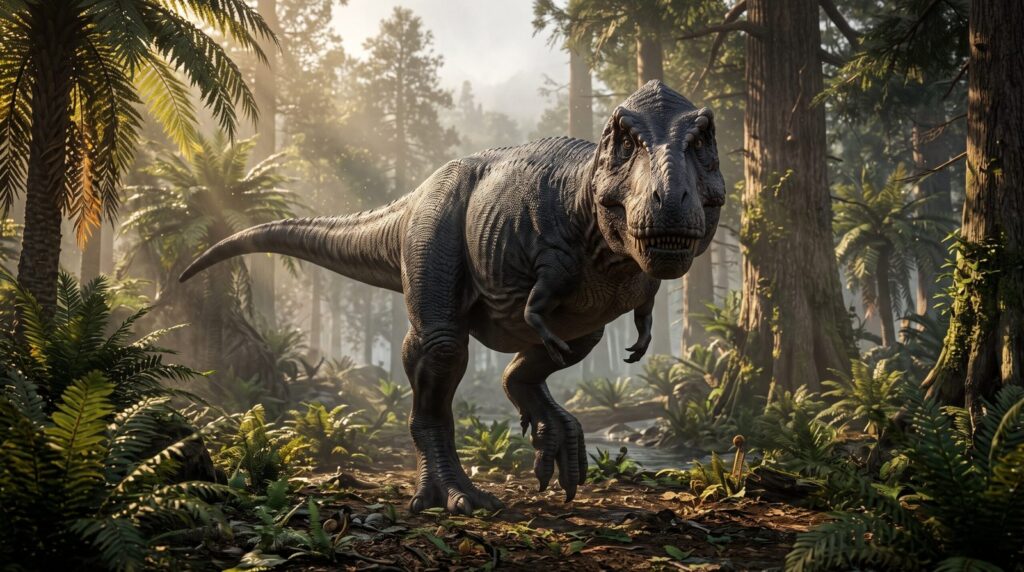
Tyrannosaurus Rex: The Life, Anatomy, and Secrets of the King of Dinosaurs

Leave a comment