

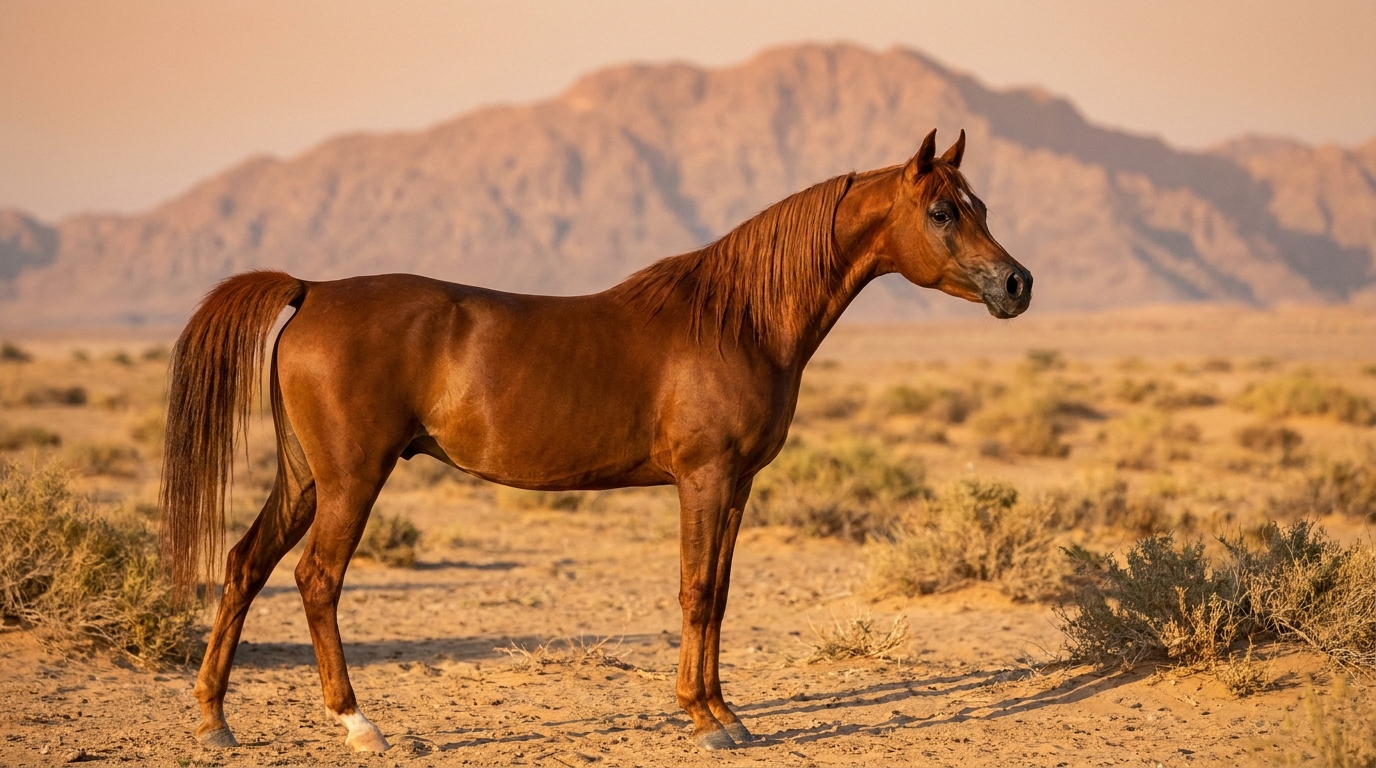
Discover the origins, distinctive beauty, intelligence, and remarkable athletic ability of one of the world’s most admired horse breeds.
Quick Summary
The Arabian horse is one of the most recognizable and influential breeds in equine history. Developed in the Middle East and closely associated with the Arabian Peninsula, it is known for its elegant appearance, distinctive head, naturally high-set tail, intelligence, and extraordinary stamina.
Selected over many generations in demanding environments, the Arabian developed qualities that made it especially valuable in endurance riding, equestrian sports, and breeding programs.
In this article, you’ll explore the breed’s history, physical characteristics, personality, bloodlines, athletic abilities, health, nutrition, and daily care. You’ll also discover why Arabian horses continue to inspire admiration among breeders, riders, and horse enthusiasts around the world.
Arabian Horse: History, Characteristics, Temperament, and Endurance
Imagine a horse with an elegant build, an arched neck, expressive eyes, and a naturally high-carried tail as it moves. Add intelligence, energy, a distinctive personality, and the ability to cover long distances. This combination helps explain why the Arabian horse holds such a special place in the equestrian world.
Known internationally as the Arabian Horse, it is among the oldest and most influential breeds in modern horse breeding. Its history spans centuries, follows the journeys of peoples across the Middle East, and reaches equestrian communities on virtually every continent.
But its importance goes far beyond appearance. The Arabian is especially recognized for its stamina, athletic ability, and the close relationships it can develop with people.
It is a breed that brings together beauty, history, and practical ability in a truly distinctive way.
What Is an Arabian Horse?
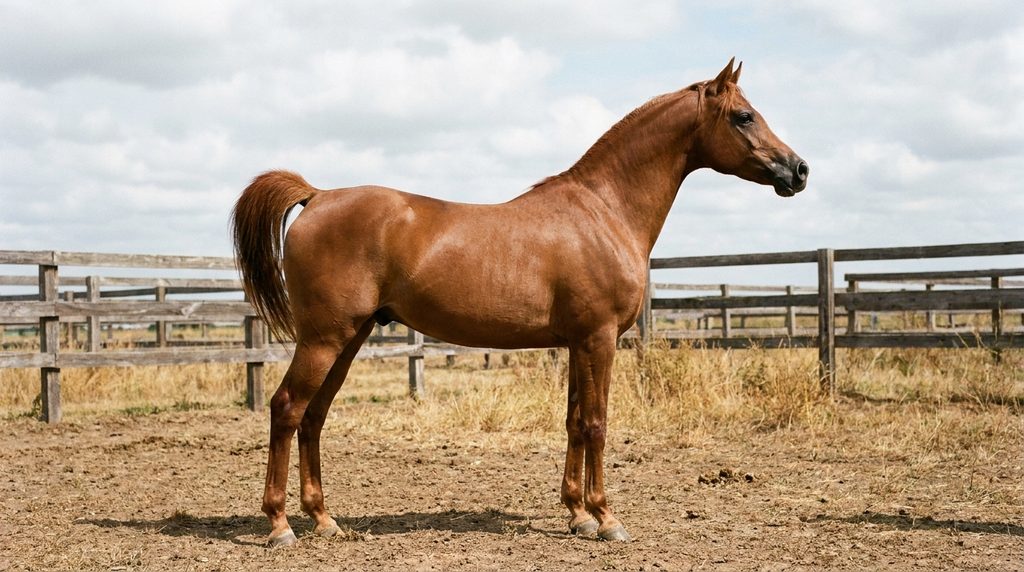
The Arabian horse is a breed that originated in the Middle East and is recognized for a distinctive combination of physical and behavioral traits.
Although often associated with a relatively compact build, it has an athletic frame, well-developed muscles, and plenty of energy for physical activity.
Its appearance is so distinctive that many horses of this breed can be recognized even by people with little experience around horses.
Some of its best-known features include:
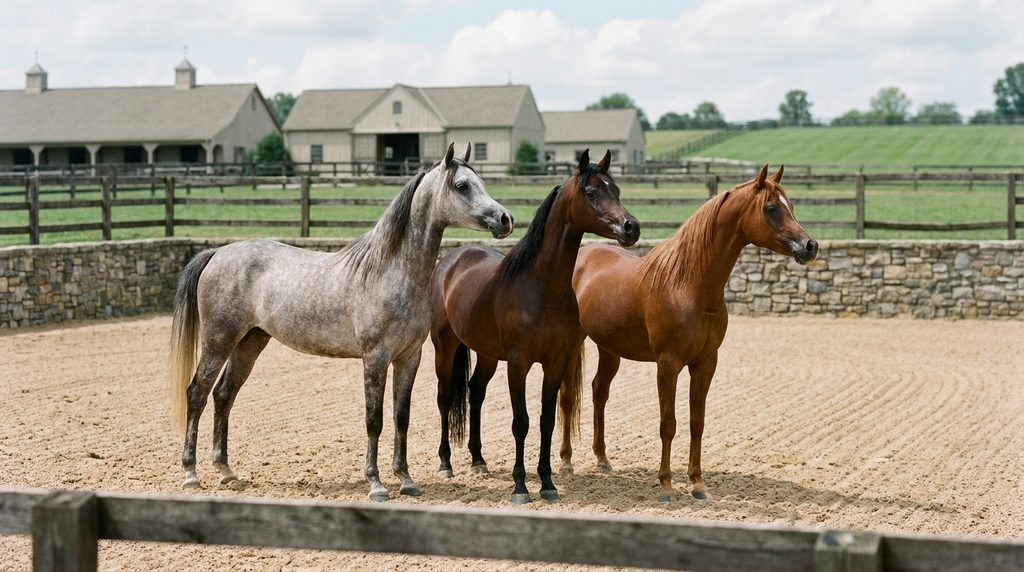
- A relatively small, refined head.
- A generally concave facial profile.
- Large, expressive eyes.
- Wide nostrils.
- A long, arched neck.
- A relatively short back.
- Strong hindquarters.
- A naturally high-set tail, often carried high in motion.
Together, these features create what is known as the Arabian type—a combination of body conformation, elegance, and distinctive expression.
However, not every Arabian has exactly the same shape. Individual differences and variations among bloodlines are common, and a horse’s quality should never be judged solely by the appearance of its head or the way it carries its tail.
The breed is also known for its versatility. Although particularly famous for endurance riding, Arabians can take part in many equestrian disciplines and recreational activities.
The History and Origins of the Arabian Horse
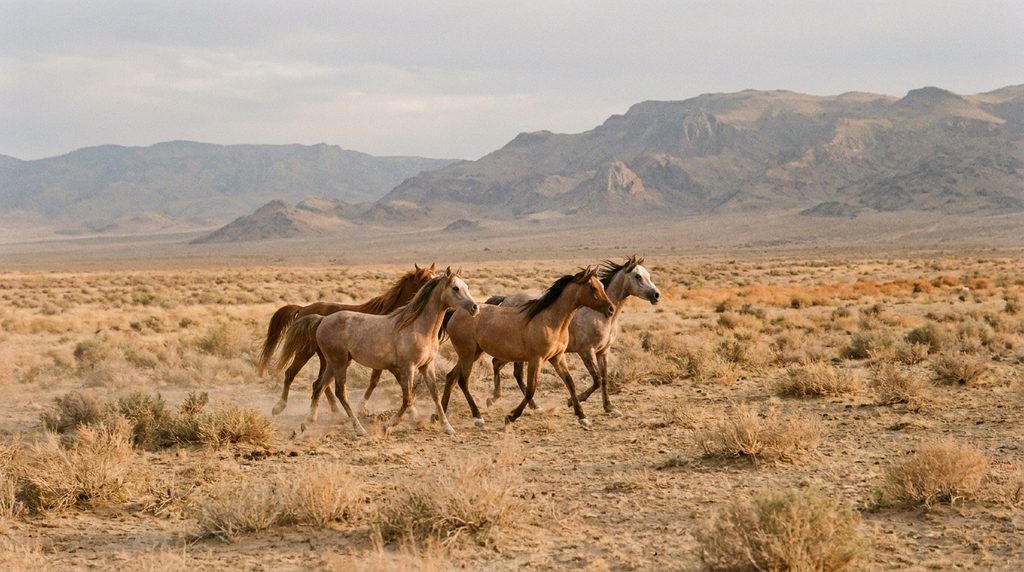
The history of the Arabian horse is closely connected to the Middle East. The breed took shape over many generations in a region where horses played important roles in transportation, mobility, warfare, and everyday life.
There is no exact date marking the breed’s beginning. Its development was a gradual process of selection, and some traditional stories need to be distinguished from the historical and genetic evidence currently available.
The Arabian Peninsula and Its Early History
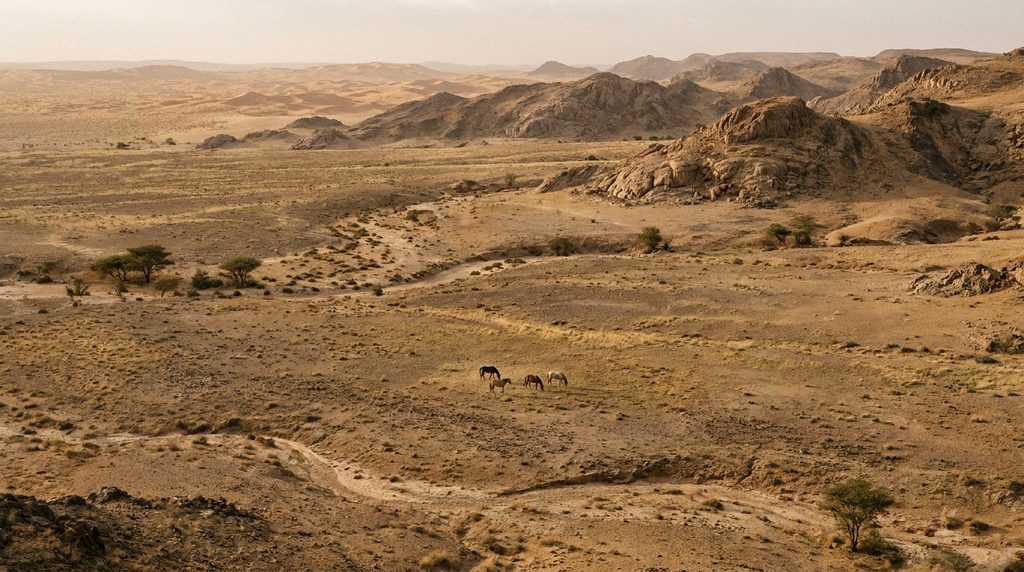
The Arabian Peninsula includes deserts, semi-arid regions, plains, and mountainous areas. For centuries, animals used by local communities had to cope with demanding environmental conditions.
Irregular access to water and food, high temperatures, and long journeys made horses that combined stamina, mobility, and efficiency especially valuable.
Modern genetic research confirms the breed’s historical origins in the Middle East and reveals a complex ancestry involving different horse populations from the region.
A study published in 2020 in the journal Scientific Reports, which analyzed 378 Arabian horses from 12 countries, identified significant genetic diversity and different ancestry patterns among the populations examined.
This shows that the breed’s history is more complex than a simple account of its origins in one specific place or bloodline.
The Bedouins and the Development of the Breed
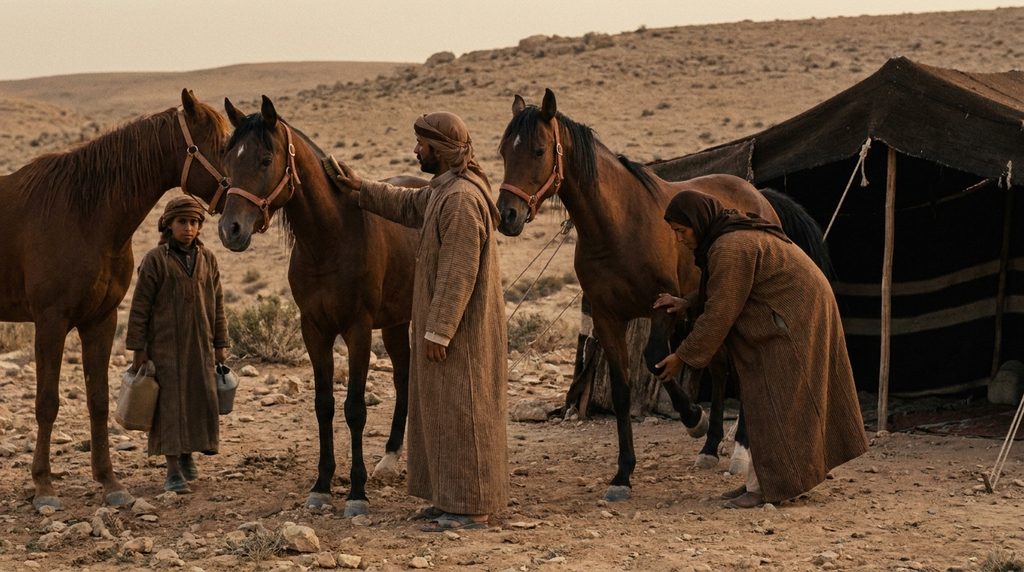
Bedouin peoples played an important role in the cultural history of the Arabian horse.
For traditionally nomadic communities, the horse represented much more than a means of transportation. It was associated with mobility, protection, prestige, and the organization of everyday life.
Horse selection favored qualities such as stamina, agility, willingness, and adaptability.
Close daily contact between people and horses also helped build a strong tradition of breeding and horsemanship.
Over time, different families and communities developed their own bloodlines and selection traditions. Some of these stories were preserved through pedigree records and oral accounts.
It is important, however, not to treat every traditional story as definitive historical documentation. Cultural traditions, breeding records, and genetic research offer different ways of understanding the breed’s development.
How Arabian Horses Spread Around the World

The Arabian horse spread gradually through trade, travel, military campaigns, and relationships between different peoples.
Over the centuries, horses of the breed reached Europe and other regions, attracting the attention of breeders who recognized their physical and athletic qualities.
Organized breeding gained momentum in several countries, along with the development of pedigree registries and specialized associations.
Today, Arabian horse populations can be found on several continents. The breed is involved in competitions, shows, breeding programs, and recreational riding around the world.
The Arabian Horse’s Influence on Other Breeds
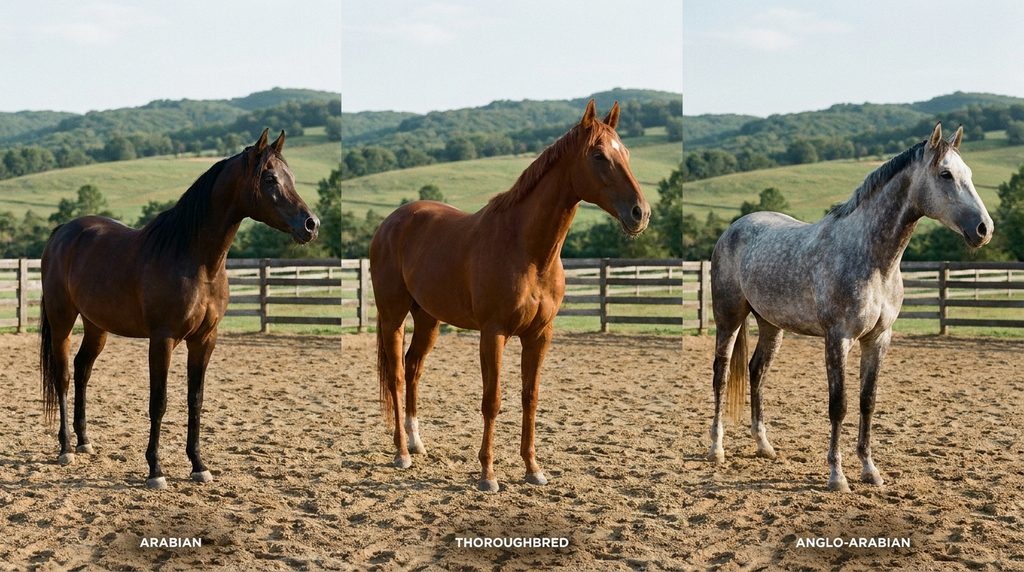
The Arabian horse is often described as one of the major influences behind the development of several modern breeds.
Its use in crossbreeding programs did play an important role in equine breeding history. The Anglo-Arabian, for example, resulted from crosses involving Arabian horses and Thoroughbreds.
However, broad historical claims need to be treated carefully.
A genetic study published in 2020 found no significant genomic contribution from Arabian horses to the modern Thoroughbred population analyzed, although it did identify evidence of more recent crossbreeding between the two populations.
The Arabian’s historical influence should therefore be understood through both breeding records and genetic evidence, without turning traditional accounts into scientific certainties.
Physical Characteristics of the Arabian Horse
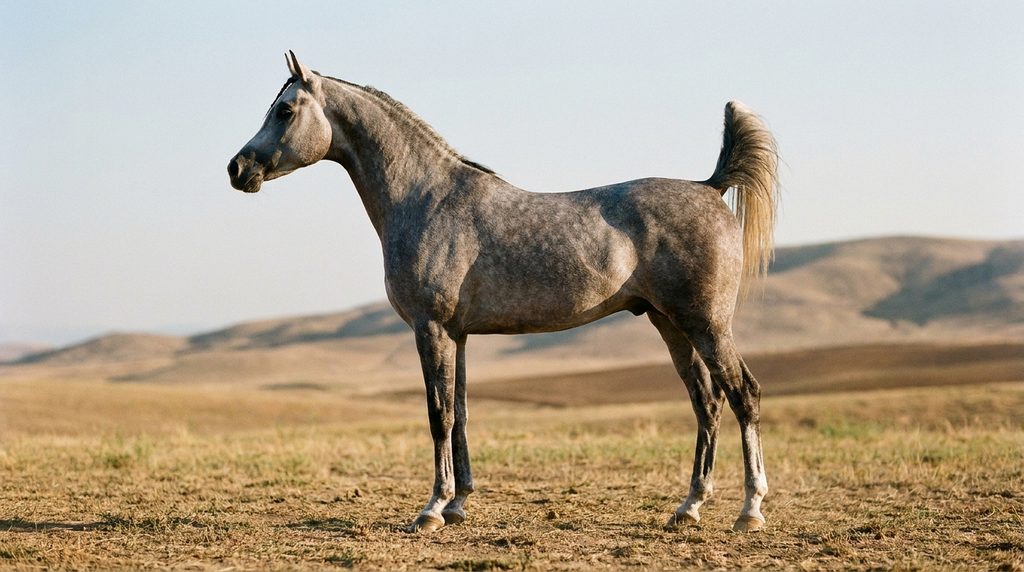
The Arabian horse’s appearance is one of the main reasons for its popularity.
Its conformation combines visual lightness, muscular development, athletic proportions, and highly recognizable anatomical features.
The Distinctive Arabian Head
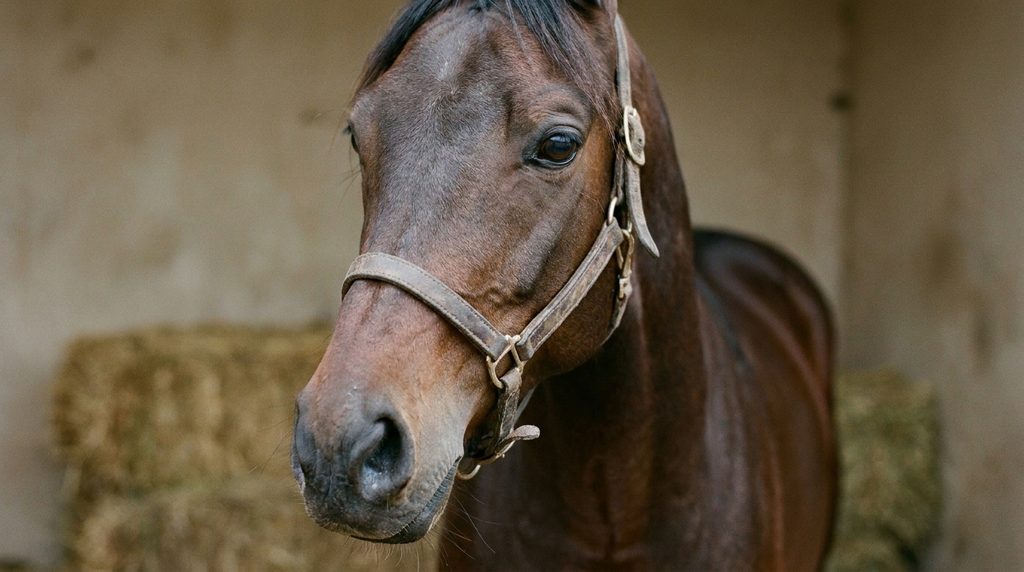
The head is probably the breed’s most famous feature.
It is generally relatively small, with large, expressive eyes, a broad forehead, and a delicate muzzle.
One particularly well-known feature is the concave facial profile, often called a dish face. In this shape, the area between the forehead and muzzle curves slightly inward.
Some horses display this feature more prominently, while others have a subtler profile.
The nostrils are also worth noting. They are relatively wide and may expand during exercise, helping air flow into the respiratory system.
The large eyes, set toward the sides of the head, contribute to the breed’s characteristic expression.
Body Structure and Conformation
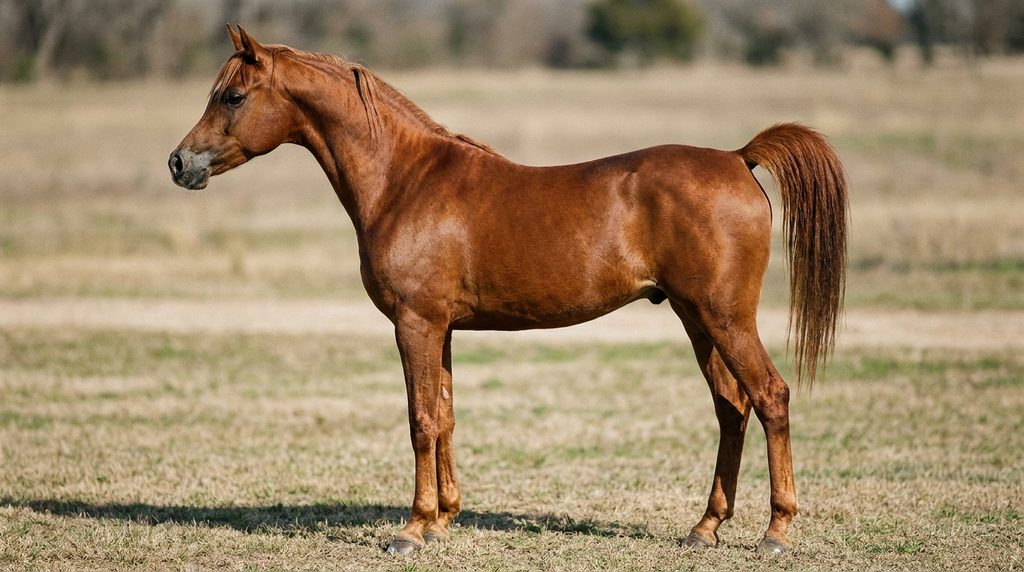
The Arabian’s neck is usually long, elegant, and arched, creating a graceful transition between the head and the rest of the body.
The back is relatively short, while the shoulders have an angle that supports movement.
The muscles of the hindquarters are well developed, helping provide propulsion during movement.
Another familiar feature is the croup, which may have a slightly different shape from that seen in some other breeds.
The tail has a naturally high set and is often carried high, especially when the horse is excited or moving.
This feature helps create the breed’s unmistakable silhouette.
Height and Weight
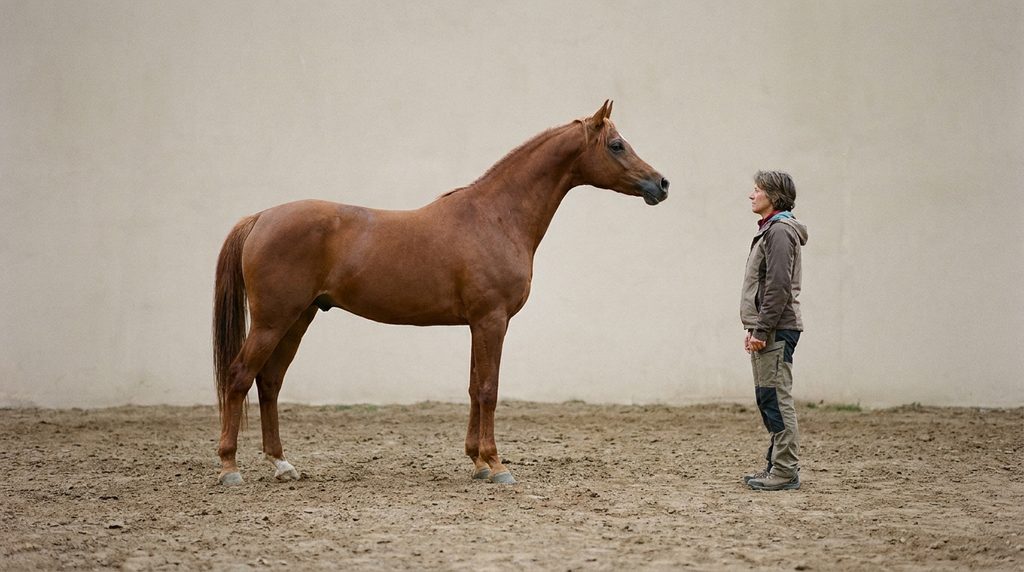
The Arabian is generally classified as a medium-sized horse breed.
According to standards used by the Arabian Horse Association, the reference height is usually around 14.1 to 15.1 hands, although individual horses may fall above or below this range.
One hand equals four inches, or approximately 10.16 centimeters.
| Characteristic | General reference |
|---|---|
| Height | Approximately 14.1–15.1 hands (143–155 cm) |
| Weight | Around 880–1,100 lb (400–500 kg), with variation |
| Build | Compact and athletic |
| Head | Small and refined |
| Neck | Long and arched |
| Tail | Naturally high-set |
These figures are approximate references, not absolute limits. Sex, bloodline, age, body condition, and individual development all influence a horse’s measurements.
Coat Colors and Appearance
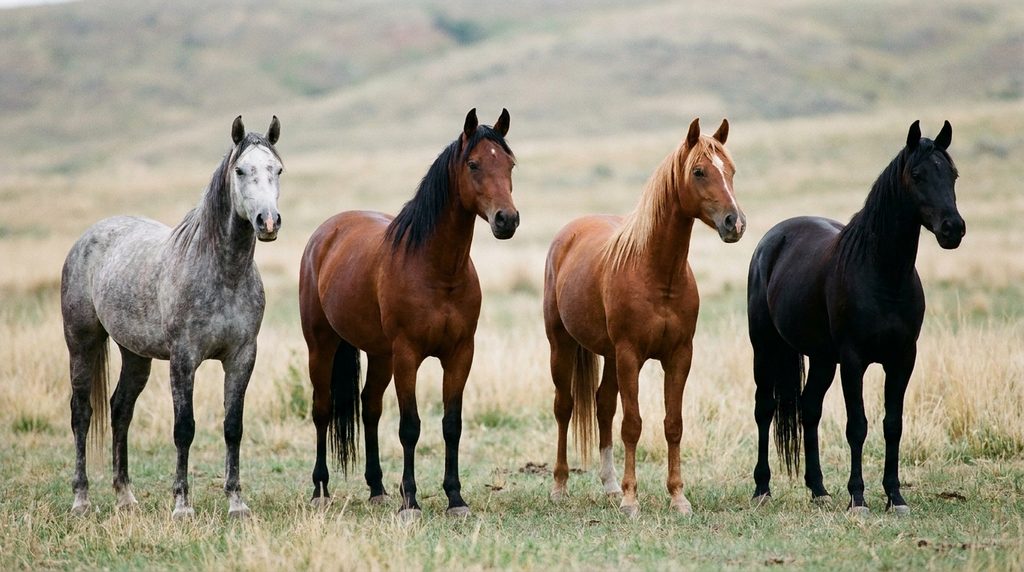
Arabian horses come in some of the most familiar coat colors in the equine world.
The best-known colors include:
- Gray: A mixture of white and pigmented hairs, usually becoming progressively lighter as the horse ages.
- Bay: A brown body with a generally dark mane, tail, and lower legs.
- Chestnut: Different reddish or copper-toned shades, usually with a mane and tail in a similar color range.
- Black: A dark coat that can vary in intensity.
White markings on the face and legs may also occur.
One interesting feature is the presence of dark skin beneath the coat, traditionally associated with the breed except in areas covered by white markings.
Arabian Horse Temperament and Personality

The Arabian horse has a reputation for being intelligent, alert, energetic, and highly sensitive to its surroundings.
This combination can make it an excellent partner for experienced riders, but it also calls for thoughtful handling and an understanding of equine behavior.
Intelligence and Learning Ability

Intelligence is one of the qualities commonly associated with the breed.
Arabians can learn commands, recognize routines, and respond quickly to different stimuli.
This ability to learn is particularly useful during training.
However, intelligence does not mean automatic obedience. A horse that quickly notices its surroundings may also react to situations it finds uncomfortable or threatening.
Consistent training, clear communication, and respect for the animal’s limits are essential.
Sensitivity and Energy
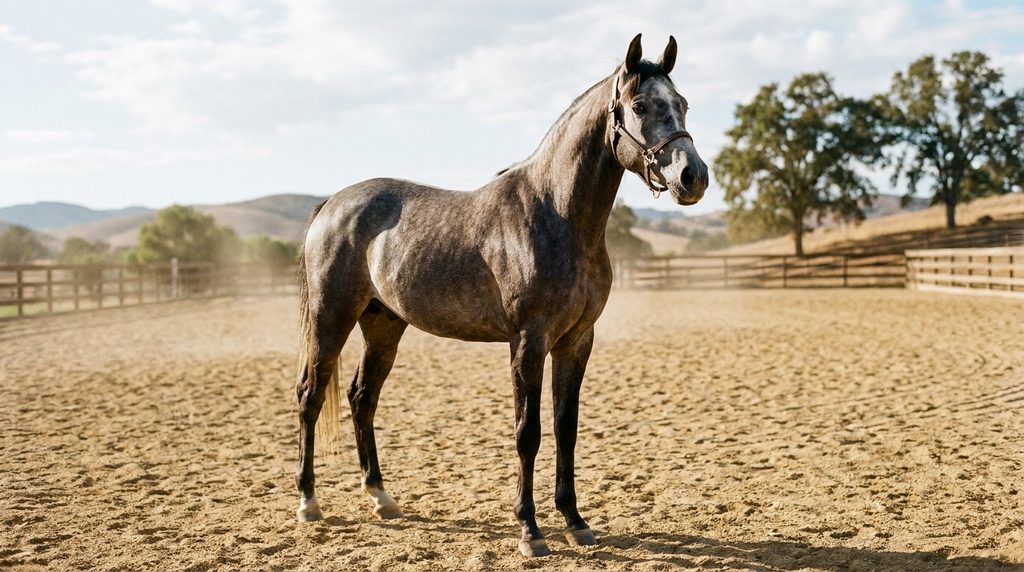
Arabian horses often show high energy levels and quick reactions.
They may respond enthusiastically to new situations, unexpected movements, and environmental stimuli.
This sensitivity should not automatically be mistaken for aggression or bad behavior.
Instead, it is a characteristic that needs to be understood and properly channeled.
Calm, experienced, and consistent riders are generally better equipped to build a good relationship with these horses.
Relationships with People
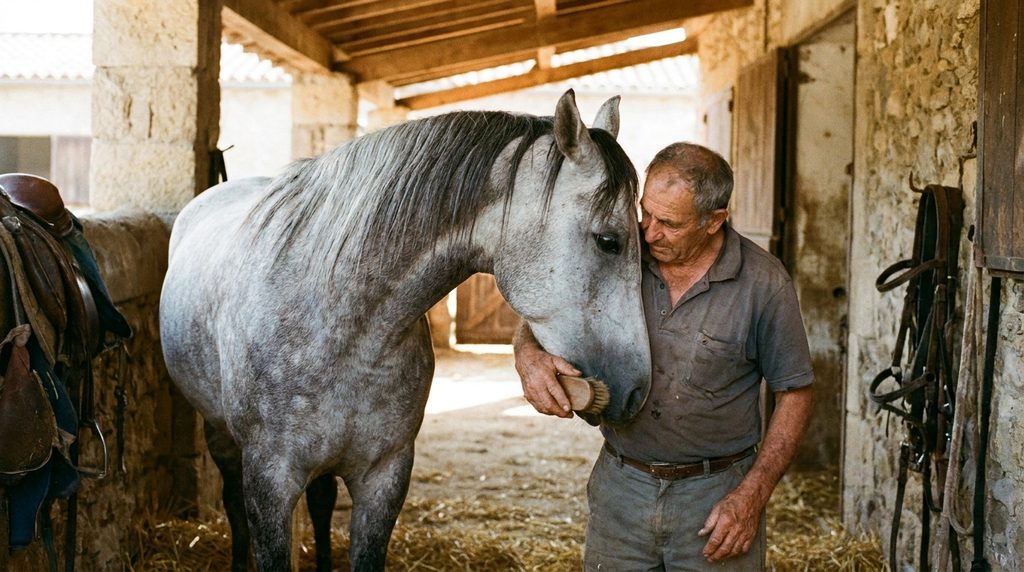
Many Arabian horses develop close bonds with their handlers and riders.
Daily interaction, respectful handling, and trust-based training help build these relationships.
Still, every horse has its own personality.
Some individuals are calmer, others are more energetic, and some are particularly sensitive.
The breed may have general tendencies, but it does not completely determine the behavior of an individual horse.
The Arabian Horse’s Remarkable Endurance

If one quality has helped build the Arabian horse’s international reputation, it is stamina.
The breed is especially valued in activities that require sustained effort, good recovery, and the ability to maintain a steady pace for many hours.
Adaptation to Demanding Environments
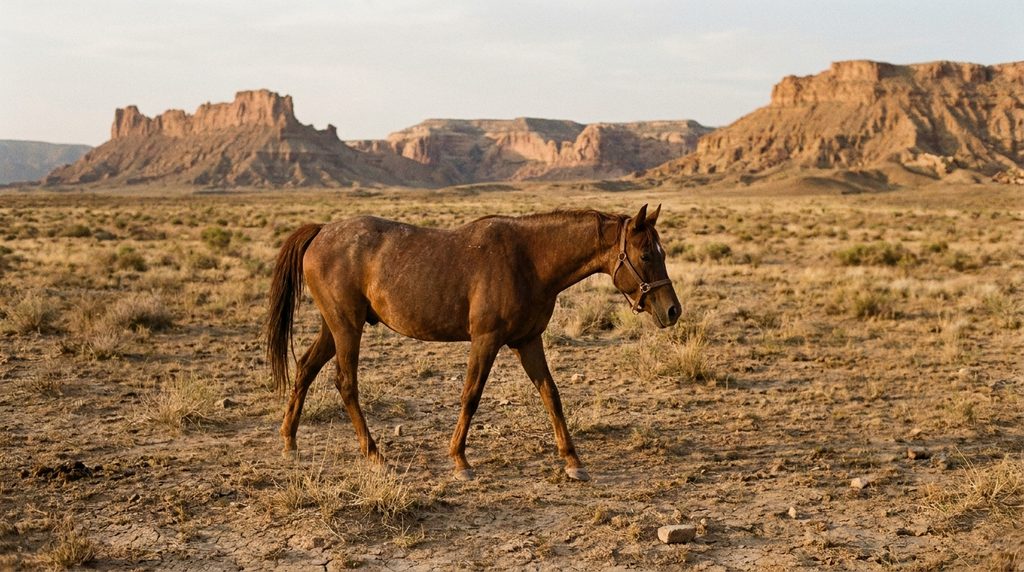
The breed’s history is associated with environments where physical efficiency offered an important advantage.
Over many generations, selection favored horses capable of covering considerable distances while maintaining good physical condition under demanding circumstances.
Genetic research has identified signs of selection in genomic regions related to important physiological processes, including mechanisms associated with exercise and the control of oxidative stress.
This does not mean that one gene is responsible for endurance. Performance results from the interaction of genetics, anatomy, physiology, training, and management.
Why Arabian Horses Excel at Endurance Riding

Endurance riding is an equestrian discipline in which horses and riders cover long distances over varied terrain.
Unlike short competitions, where immediate speed may be decisive, endurance riding requires a balance of pace, conditioning, hydration, and recovery.
Arabian horses are particularly valued in this discipline because they combine several qualities that support prolonged effort.
These include:
- A relatively lightweight build.
- Good athletic ability.
- Physical stamina.
- Efficient movement.
- Willingness to work over long periods.
- The ability to be conditioned for different distances.
The sport also requires veterinary monitoring and careful evaluation of each horse’s physical condition.
Endurance Competitions Around the World
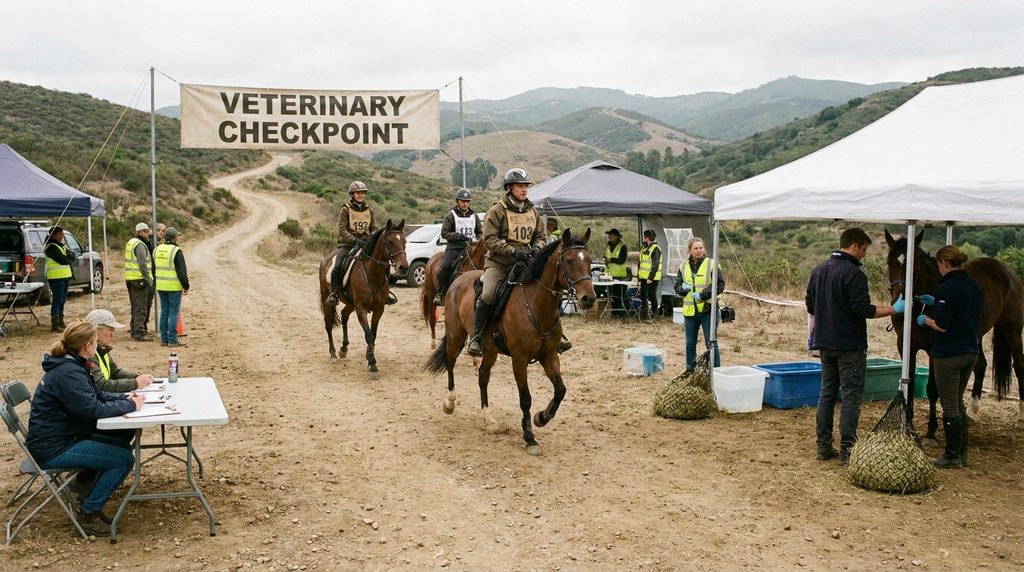
Endurance competitions take place in many countries and may involve courses ranging from dozens to hundreds of kilometers, depending on the category.
A long-distance event is not simply a race to see which horse crosses the finish line first.
Horses undergo veterinary evaluations, and their physical condition must remain suitable throughout the competition.
Heart rate, hydration, movement, and other indicators are used to determine whether a horse is fit to continue.
Arabian horses have earned international recognition in this sport because of their ability to combine stamina, conditioning, and athletic performance.
Speed, Athleticism, and Sporting Abilities
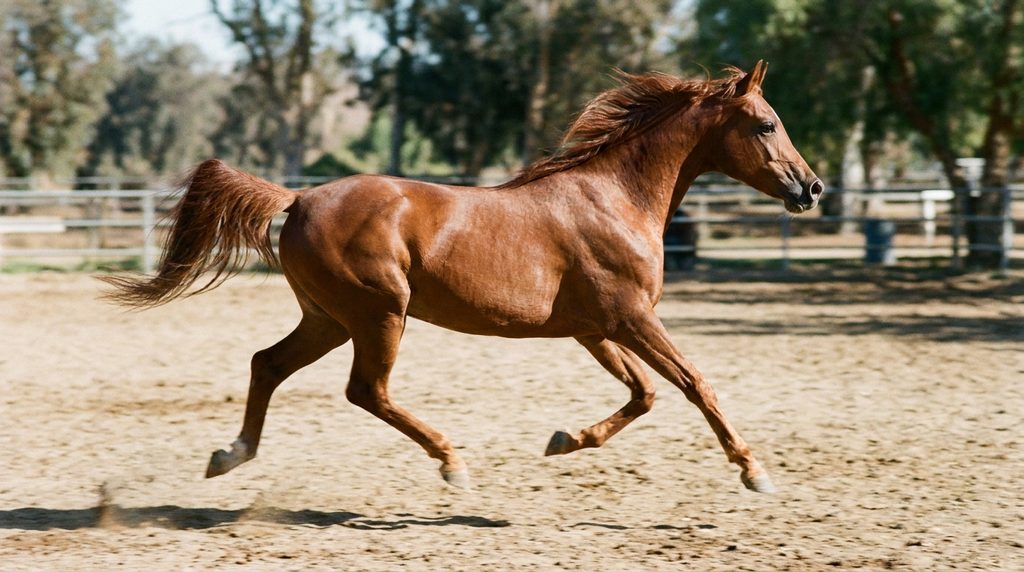
Although the Arabian is especially well known for endurance, the breed is not limited to stamina competitions.
Its agility, willingness, and learning ability allow it to take part in a variety of activities.
Some of the disciplines in which Arabian horses can be found include:
Racing: Dedicated Arabian horse racing competitions are held in several countries, with organized programs in different regions.
Dressage: Their intelligence and responsiveness can support training for precise, controlled movements.
Recreational riding: They can be used for trail rides and leisure activities, provided their temperament and training are appropriate for the rider.
Conformation shows: These events evaluate physical characteristics, balance, movement, and how closely a horse matches the breed standard.
Combined disciplines and equestrian sports: Some individuals also take part in other activities, depending on their conformation and preparation.
There is no single ideal discipline for every Arabian horse. The right choice depends on the individual animal’s characteristics, training, and health.
Arabian Horse Bloodlines and Breeding Traditions
Arabian horse breeding has developed different selection traditions, some associated with specific regions and others with historic breeding programs.
Among the best-known are:
Egyptian Arabian: Associated with the Egyptian breeding tradition and recognized for horses often valued for their refined heads and distinctive expression.
Polish Arabian: Developed in Poland, this tradition has a long history of breeding and selection. Many horses from these programs became known for their athletic qualities and success in competitions.
Crabbet Arabian: Connected to the historic Crabbet Park Stud breeding program in England, founded in the nineteenth century. This tradition had an important influence on the breed’s international expansion.
These names represent breeding traditions and bloodlines within the Arabian breed, not separate breeds.
Purebred Arabian vs. Anglo-Arabian
A purebred Arabian should not be confused with an Anglo-Arabian.
The Anglo-Arabian resulted from breeding programs that crossed Arabian horses with Thoroughbreds.
The goal of these crosses is to combine qualities from different populations, such as stamina, speed, athletic ability, and certain conformation traits.
Although the two share part of their breeding history, they are distinct populations with their own registries.
Modern Breeding and Genetic Diversity
Today, Arabian horse breeding involves international programs, pedigree registries, conformation evaluations, and the selection of athletic traits.
One of the challenges of modern breeding is preserving genetic diversity while improving specific characteristics.
Excessively concentrating breeding on a small number of individuals can increase the frequency of undesirable genetic variants.
For this reason, genetic testing, veterinary guidance, and responsible breeding plans are important tools for the breed’s future.
Health and Common Genetic Conditions
The Arabian is an athletic breed and is generally healthy when provided with appropriate nutrition, management, and veterinary care.
However, several inherited conditions are known in the breed and deserve attention.
The existence of these conditions should not be interpreted to mean that all Arabian horses have health problems.
Severe Combined Immunodeficiency (SCID)
Severe combined immunodeficiency, commonly known as SCID, is an inherited genetic condition that severely compromises the immune system.
Affected foals may appear normal at birth but have great difficulty fighting infections.
Signs can include fever, respiratory problems, and diarrhea.
The condition is inherited through an autosomal recessive pattern. This means a horse can carry one copy of the genetic variant without developing the disease.
When two carriers are bred, there is a 25% probability of producing an affected foal.
Cerebellar Abiotrophy (CA)
Cerebellar abiotrophy is an inherited neurological condition that affects the cerebellum, a brain structure involved in movement coordination and balance.
Foals may appear normal at birth but develop neurological signs during their first few months of life.
Symptoms can include head tremors, lack of coordination, exaggerated limb movements, and difficulty maintaining balance.
Genetic testing can identify horses affected by, or carrying the variant associated with, this condition.
Lavender Foal Syndrome (LFS)
Lavender foal syndrome is a serious genetic condition primarily associated with Arabian horses.
Affected foals may be born with a diluted coat color in lavender, pale pink, or silvery shades, along with severe neurological abnormalities.
Signs can include muscle stiffness, involuntary movements, and difficulty standing.
The condition is inherited and is generally fatal.
Occipitoatlantoaxial Malformation (OAAM)
This condition involves a malformation in the area where the skull meets the first cervical vertebrae.
The abnormality may compress the spinal cord and cause neurological damage.
Signs vary depending on the severity of the malformation and may include movement and coordination difficulties.
The Importance of Genetic Testing
Modern veterinary medicine offers tests that can identify variants associated with some of these conditions.
The Veterinary Genetics Laboratory at the University of California, Davis, provides a panel specifically designed for inherited diseases associated with Arabian horses.
These tests help identify carriers and allow breeders to avoid pairings that could produce affected foals.
Genetics should not be viewed only as a tool for selecting desirable traits. It is also essential for protecting the health and quality of life of future generations.
Feeding, Nutrition, and Daily Care
Despite its refined appearance, the Arabian horse has nutritional needs similar to those of other horses.
Its diet should be planned according to age, weight, activity level, body condition, and health status.
Forage-Based Nutrition
Hay and suitable pasture generally form the foundation of a horse’s diet.
These foods provide essential fiber for proper digestive function.
The amount and quality of forage should be adjusted to each horse’s individual needs.
Water and Hydration
Clean water must be available at all times.
Horses involved in intense exercise or prolonged activities need special attention to hydration and electrolyte balance.
This becomes even more important during endurance events.
Exercise and Conditioning
Arabian horses often have plenty of energy, but that does not mean they can be subjected to intense exercise without preparation.
Conditioning should be developed gradually.
Excessive or poorly planned training can cause muscle injuries, joint problems, and physical strain.
Grooming and Routine Maintenance
Daily care includes:
- Regular coat grooming.
- Hoof inspections.
- Dental and oral health care.
- Body condition assessments.
- Parasite control.
- Veterinary checkups.
- Appropriate exercise and rest periods.
It is also important to provide shelter, enough room to move, and opportunities for social interaction with other horses.
How Long Do Arabian Horses Live?
Arabian horses are generally known for their longevity.
Many live for approximately 25 to 30 years, although some may live beyond that range.
Life expectancy depends on several factors, including genetics, nutrition, environmental conditions, physical activity, disease prevention, and the quality of veterinary care.
Advanced age does not necessarily mean a horse must give up all activity.
Many older horses remain active as long as they receive care suited to their physical condition.
Is the Arabian Horse Right for You?
The breed can be an excellent choice for people who appreciate intelligent, active horses with distinctive personalities.
However, its energy and sensitivity should be considered before acquiring one.
An experienced rider who can provide consistent training and appropriate handling will generally be better prepared to work with a horse that has a more intense temperament.
This does not mean Arabian horses are unsuitable for beginners. Some individuals are quite calm and well trained.
The key is to evaluate the individual horse rather than make a decision based only on its breed.
You should also consider:
- Access to suitable space and facilities.
- Feeding and maintenance costs.
- Veterinary care.
- Hoof care.
- Equipment and stable facilities.
- The time required for daily handling and training.
Owning a horse is a long-term commitment. Acquiring one requires planning and responsibility.
Fascinating Facts About Arabian Horses
1. The high-carried tail is one of the breed’s signature features.
Its naturally high tail set contributes to the Arabian’s distinctive appearance.
2. It is one of the stars of endurance riding.
The combination of stamina, athletic ability, and efficient movement has made the breed especially valued in long-distance competitions.
3. Its history spans several continents.
The breed has established breeding traditions in the Middle East, Europe, North America, and other regions.
4. The refined head is highly valued.
The concave profile, expressive eyes, and wide nostrils help create the Arabian horse’s traditional appearance.
5. It has several important breeding traditions.
The Egyptian, Polish, and Crabbet names represent significant chapters in the international history of Arabian horse breeding.
6. Intelligence and sensitivity often go hand in hand.
Many individuals learn quickly and respond perceptively to their surroundings and to human behavior.
The Arabian Horse’s Legacy and Future
The Arabian horse represents a remarkable combination of history, beauty, and athletic ability.
Its story is connected to communities that developed a deep relationship with horses and recognized the value of animals capable of enduring long journeys while remaining agile and efficient.
Over the centuries, the breed spread far beyond its region of origin and gained admirers around the world.
Today, its presence is especially prominent in endurance competitions, but it also remains important in breeding programs, conformation shows, and recreational riding.
The breed’s future will depend on the ability to balance tradition with scientific knowledge.
Preserving genetic diversity, preventing inherited diseases, and respecting the individual needs of each horse are essential to maintaining its qualities for generations to come.
More than a horse with an impressive appearance, the Arabian is the result of a long history of selection, partnership, and adaptation.
And perhaps that combination is precisely what explains why it continues to inspire admiration so many centuries after its earliest breeding traditions.
4. What the Evidence Allows Us to Conclude
The available historical, genetic, and veterinary evidence supports several important conclusions:
- The Arabian horse has deep roots in the Middle East. Genetic research supports a Middle Eastern origin, although its ancestry reflects a complex history involving different horse populations.
- Its development was gradual. The breed emerged through generations of selection rather than from a single documented founding event.
- Bedouin communities were important to its cultural and breeding history. Their traditions are valuable, but oral accounts should not automatically be treated as scientifically verified facts.
- The breed is particularly well suited to endurance riding. Its athletic characteristics help explain its prominence in the discipline, although individual performance depends on genetics, conditioning, training, and care.
- Its influence on other breeds needs to be described carefully. Historical crossbreeding is documented, but genetic evidence does not support every traditional claim about its contribution to modern horse populations.
- Inherited conditions can be managed more responsibly through testing. SCID, CA, LFS, and OAAM are important conditions to consider in Arabian breeding programs.
- Breed characteristics do not define every individual. Temperament, athletic ability, health, and suitability for a particular rider must be assessed horse by horse.
The strongest conclusion is that the Arabian horse’s reputation rests on a combination of historical importance, distinctive conformation, athletic ability, and a continuing role in modern equestrian activities. Its preservation depends on responsible breeding and evidence-based care.
5. FAQ
1. Where did the Arabian horse originate?
The Arabian horse originated in the Middle East and is closely associated with the Arabian Peninsula. Its development took place over many generations, and genetic research points to a complex ancestry involving regional horse populations.
2. What makes the Arabian horse so distinctive?
Its refined head, often concave profile, large eyes, wide nostrils, arched neck, relatively short back, and naturally high-set tail make it one of the most recognizable horse breeds.
3. Are Arabian horses good for endurance riding?
Yes. The breed is especially valued in endurance riding because of its stamina, athletic ability, and capacity for sustained effort. Success still depends on conditioning, training, health, and appropriate management.
4. Are Arabian horses difficult to handle?
Not necessarily. Many are intelligent, responsive, and sensitive. Their energy and alertness may require experienced, consistent handling, but individual temperaments vary considerably.
5. How tall is an Arabian horse?
A common reference range is approximately 14.1 to 15.1 hands, or about 143 to 155 centimeters. Individual horses may fall outside this range.
6. What colors do Arabian horses come in?
The most familiar coat colors are gray, bay, chestnut, and black. White markings may also appear on the face and legs.
7. How long does an Arabian horse live?
Many Arabian horses live approximately 25 to 30 years, although lifespan varies according to genetics, nutrition, environment, activity, and veterinary care.
8. What is the difference between an Arabian and an Anglo-Arabian?
A purebred Arabian belongs to the Arabian breed. An Anglo-Arabian comes from breeding programs that combine Arabian and Thoroughbred horses. They are distinct populations with separate registries.
9. What are the main inherited conditions associated with Arabian horses?
Important conditions include Severe Combined Immunodeficiency (SCID), Cerebellar Abiotrophy (CA), Lavender Foal Syndrome (LFS), and Occipitoatlantoaxial Malformation (OAAM).
10. Can genetic testing prevent inherited diseases?
Genetic testing can identify horses carrying certain disease-associated variants. Breeders can use the results to avoid pairings that could produce affected foals.
11. Are Arabian horses suitable for beginners?
Some individuals are calm and well trained, but the breed’s energy and sensitivity can make certain horses more demanding. The individual horse’s temperament and training matter more than breed reputation alone.
12. Are Arabian horses fast?
Arabian horses are athletic and can compete in dedicated racing events. However, their international reputation is especially connected to endurance rather than being the fastest breed over every distance.
6. Glossary
| Term | Meaning |
|---|---|
| Arabian horse | A horse belonging to the Arabian breed, historically associated with the Middle East. |
| Anglo-Arabian | A horse from breeding programs involving Arabian horses and Thoroughbreds. |
| Conformation | The overall structure, proportions, and physical arrangement of a horse’s body. |
| Croup | The upper hindquarter area extending from the back toward the tail. |
| Dish face | A concave facial profile commonly associated with Arabian horses. |
| Endurance riding | An equestrian sport involving long-distance rides over varied terrain. |
| Bloodline | A horse’s documented ancestry or a recognized breeding lineage. |
| Genetic diversity | The range of genetic variation within a population. |
| Autosomal recessive | A pattern of inheritance in which an animal generally needs two copies of a disease-associated variant to be affected. |
| Carrier | An animal that has one copy of a recessive disease-associated variant but does not show the condition. |
| SCID | Severe Combined Immunodeficiency, an inherited disorder that severely affects immune function. |
| CA | Cerebellar Abiotrophy, an inherited neurological condition affecting coordination and balance. |
| LFS | Lavender Foal Syndrome, a serious inherited neurological condition. |
| OAAM | Occipitoatlantoaxial Malformation, a developmental abnormality involving the junction between the skull and upper neck. |
| Forage | Plant-based feed, such as hay and pasture, that provides fiber. |
| Conditioning | The gradual development of a horse’s fitness and ability to perform physical work. |
7. References
The following sources support the historical, genetic, conformation, and veterinary information used in the article.
1. Cosgrove, E. J. et al. (2020). Genome Diversity and the Origin of the Arabian Horse. Scientific Reports. Genetic research examining 378 Arabian horses from 12 countries and exploring the breed’s ancestry and diversity.
2. University of California, Davis — Veterinary Genetics Laboratory. Arabian Horse Health Panel. Information on genetic tests for inherited conditions associated with Arabian horses, including CA, LFS, SCID, and OAAM.
3. University of California, Davis — Veterinary Genetics Laboratory. Severe Combined Immunodeficiency (SCID). Veterinary genetic information about inheritance, affected foals, and carrier status.
4. University of California, Davis — Veterinary Genetics Laboratory. Lavender Foal Syndrome (LFS). Information on the inherited condition and genetic testing.
5. University of California, Davis — Veterinary Genetics Laboratory. Cerebellar Abiotrophy (CA). Information on the neurological condition and available genetic testing.
6. Arabian Horse Association. Arabian Horse Conformation and Breed Characteristics. Reference information on the breed’s physical type, conformation, coat colors, and height.
Editorial note: These references identify the principal research and institutional sources used in the AG1 and AG2 stages. Confirm the current publication details and destination pages before inserting final clickable bibliography links into the website.
Leave a comment