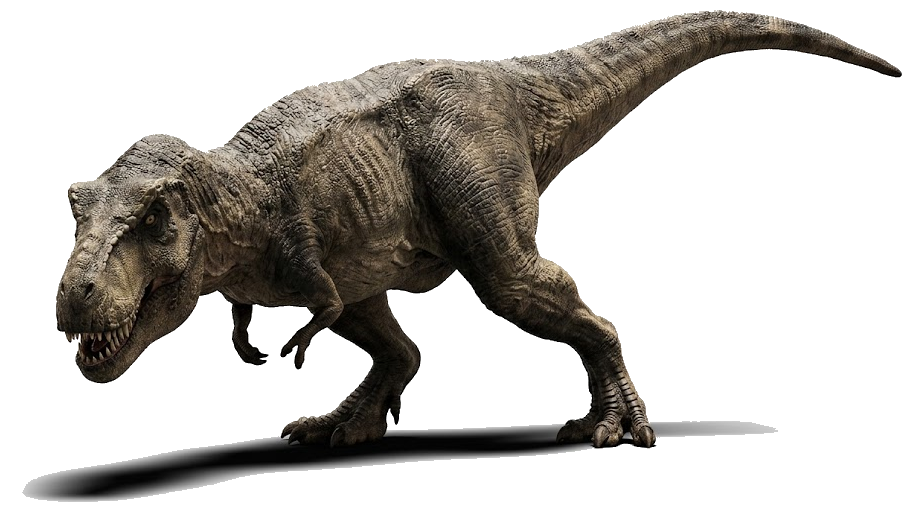
Tyrannosaurus rex: Biomechanics, Ecology, and Scientific Debates at the Zenith of the Theropods
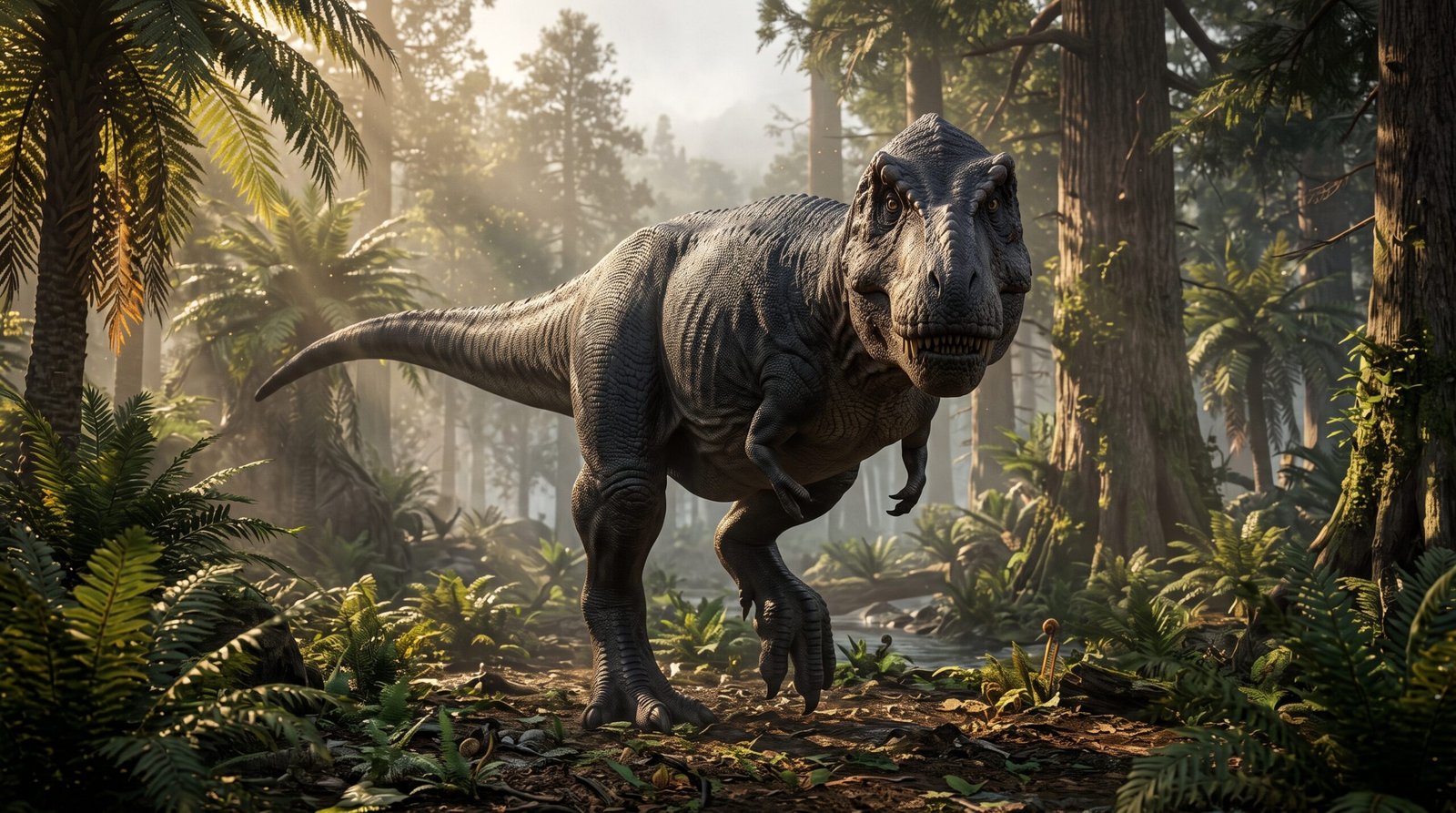
An in-depth paleobiological investigation into the anatomy, predatory behavior, ontogeny, and ecosystem of the dominant hypercarnivore of the Late Cretaceous.
Quick Summary
The Specimen and Its Impact: Tyrannosaurus rex was one of the largest terrestrial predators in the planet’s history, reaching lengths of up to 12.3 meters and an estimated weight between 6.5 and 8.8 metric tons.
Predatory Mechanism: It was neither an obligate scavenger nor a swift, pursuit-based hunter. Instead, it functioned as an ambush and opportunistic predator, possessing a crushing bite force of up to 57,000 Newtons—capable of puncturing and shattering bone.
Sensory Anatomy: It possessed visual acuity superior to that of modern eagles, stereoscopic binocular vision, and disproportionately large olfactory bulbs.
Current Debates: Recent bone histology refutes the existence of Nanotyrannus as a distinct genus, identifying these smaller specimens as juvenile stages of T. rex. Similarly, a proposal to divide the taxon into three separate species (T. rex, T. imperator, and T. regina) has been rejected by the paleontological consensus due to a lack of statistically significant morphological variation.